


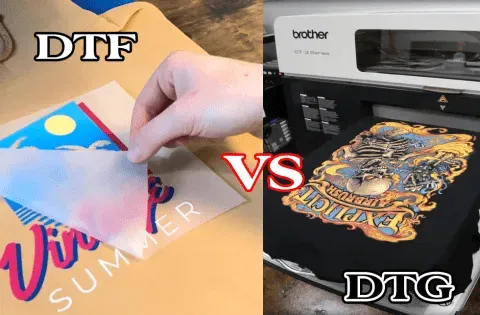
DTF Transfers vs DTG is a central topic for brands balancing cost, durability, and design intent. This quick guide presents a clear DTF vs DTG comparison to illuminate how fabric options, hand feel, and production speed influence brand outcomes. We also explore the practical differences in workflow, setup, and material compatibility that affect whether a small run or a large launch is feasible. From durability to color fidelity, the discussion highlights how these methods perform on common garment weights and fabrics. If you’re planning a branding strategy, understanding the core trade-offs can guide decisions and set the stage for scalable shirt printing.
DTF Transfers vs DTG: Key Differences for Brands
DTF transfers and DTG printing offer distinct pathways to bring artwork to fabric, each with practical implications for a clothing line. In a DTF transfers vs DTG comparison, brands often note the versatility of DTF across cotton, polyester, blends, and dark fabrics due to the film-based color layers and adhesive, versus DTG’s ink-on-fabric approach that shines on lighter fabrics. This foundational difference shapes what fabrics you can reliably print on, how you budget for color, and how you scale production across varied product lines.
From a workflow perspective, DTF transfers typically involve printing a design on a film, applying adhesive, and using heat to transfer the image, whereas DTG prints directly onto the garment with water-based inks. For brands, this translates to differences in setup, lead times, and maintenance costs. DTF tends to offer more predictable results across a wider material range and can be more scalable for mixed-material runs, while DTG often delivers exceptional results on cotton with high-detail imagery, albeit with more sensitivity to fabric choice and pre-treatment requirements.
Direct-to-Fabric vs Direct-to-Garment: Fabric Compatibility and Implications
Direct-to-Fabric vs Direct-to-Garment considerations focus heavily on fabric portfolios and how each method handles color, texture, and feel. Direct-to-Fabric approaches enable robust performance across diverse fabrics, including blends and darker textiles, because the transfer adheres as a film with a color layer that can compensate for varying base shades. This makes DTF-friendly for brands seeking a single process to cover a broad material spectrum.
DTG printing, on the other hand, is often optimized for cotton and lighter fabrics where ink sits directly on the surface for a soft hand and high-detail imagery. This means more attention to pre-treatments on dark fabrics and potential fabric limitations that can affect texture and color depth. For brand teams, weighing Direct-to-Fabric vs Direct-to-Garment involves balancing the desire for material flexibility with the goal of achieving a premium hand feel and maxed-out color vibrancy on favored fabrics.
DTF Transfers Durability: Longevity Across Fabrics and Use Cases
DTF transfers durability is a core consideration when planning product lines that endure frequent washing and wear. The adhesive-film approach, when properly cured and backed by quality transfer films, provides robust wash endurance across a wide array of fabrics. Brands commonly find that DTF delivers strong color vibrancy on both dark and light garments, with durability that stands up to repeated laundering when the curing process is correctly executed.
However, durability can be influenced by fabric type, temperature exposure, and the quality of the powder cure step. Some textured fabrics may show slight surface texture from the transfer, which is a trade-off to consider for high-volume, varied-material runs. By investing in high-quality films, adhesive formulations, and proper post-processing, brands can optimize DTF transfers durability across mixed-material inventories.
DTG Print Quality vs DTF: Visual Fidelity, Hand Feel, and Color Depth
DTG print quality vs DTF often comes down to the target aesthetic and fabric choice. DTG is renowned for ultra-fine detail, smooth gradients, and a soft hand on cotton fabrics, delivering photo-quality images where the ink sits lightly on the surface. This makes DTG a strong option for premium lines where a tactile, seamless feel is part of the brand proposition.
DTF, by contrast, excels in color vibrancy across multiple fabric types and tends to produce robust prints on darker garments due to the film-based color layers and adhesive beneath a clear topcoat. While the hand feel may be slightly more textured than DTG on some fabrics, the approach delivers consistent performance on a wider fabric mix and can be more forgiving for high-detail, multi-color artwork across varied materials.
Shirt Printing Methods for Branding: Aligning Method with Brand Goals
Shirt printing methods for branding should align with a brand’s voice, audience, and product mix. This means evaluating how the chosen method supports the brand’s aesthetic—from premium, photo-rich designs to bold, durable graphics across diverse fabrics. DTG print quality vs DTF considerations help determine whether a soft hand and cotton-focused line or a versatile, multi-fabric strategy better communicates brand values.
For branding goals that emphasize scalability and consistency across materials, DTF can offer a practical path to broaden product offerings without changing equipment for every material type. Conversely, DTG can elevate flagship cotton lines with high-contrast imagery and ultra-detailed visuals. Many brands adopt a blended approach, using DTG for core cotton products while employing DTF transfers for limited editions, multi-fabric items, or when fast turnaround and predictable results matter most.
Practical Decision Checklist: When to Choose DTF vs DTG
To decide effectively, brands should run through a practical checklist that weighs fabric portfolio, color depth and detail needs, and hand feel. Consider fabric compatibility, as DTF supports a wider material range and darker fabrics, while DTG delivers superior detail best on cotton with lighter tones. This aligns with the need to optimize shirt printing methods for branding across varied lines and audiences.
Next, assess order size, turnaround requirements, and cost implications. DTF tends to offer lower incremental costs for small runs and varied fabrics, making it appealing for experimenting with product lines or scaling mixed-material collections. DTG can excel in ultra-short runs with high-detail designs but may carry higher upfront costs and longer lead times in higher volumes. A blended strategy—core DTG on cotton with DTF for multi-fabric editions—often yields a balanced ROI while maintaining brand consistency.
Frequently Asked Questions
DTF Transfers vs DTG: How do these methods compare for Direct-to-Fabric vs Direct-to-Garment across different fabrics?
DTF Transfers vs DTG highlights two strengths: DTF offers broad fabric compatibility (cotton, polyester, blends) and works well on dark fabrics thanks to the film-based color layers, while DTG excels on cotton with a soft hand and high detail. For brands needing consistent results across varied materials, DTF is typically the more versatile choice; for cotton-forward lines prioritizing hand feel and photo-quality detail, DTG is especially compelling.
DTF transfers durability: How durable are DTF transfers compared to DTG when washed across fabrics?
DTF transfers generally provide robust wash durability across many fabrics when properly cured, with strong color vibrancy on dark fabrics. DTG durability depends on fabric and cure quality; on cotton with good pre-treatment, it can be very durable, but darker fabrics often require extra steps and careful curing to maintain color depth.
DTG print quality vs DTF: Which method yields better print quality and detail on typical garments?
DTG print quality vs DTF shows that DTG delivers ultra-high detail and a soft hand on cotton and light fabrics, with excellent color depth when conditions are right. DTF offers solid color reproduction and reliable results across a wider range of fabrics, though some fabrics may exhibit a slightly more textured finish due to the transfer film. In practice, DTG often leads for photo-quality prints on cotton, while DTF is a strong all-around option for mixed materials.
Shirt printing methods for branding: Which method is better for branding shirts—DTF transfers vs DTG?
For branding-focused projects, DTG can deliver premium wash-fast color and a soft hand on cotton-based lines, making it ideal for high-detail visuals. DTF transfers are typically more scalable and cost-effective for mixed fabrics and dark colors, with faster setup for varied runs. Many brands use a blended approach: DTG for core cotton items and DTF for limited editions or non-cotton or mixed-material items.
Direct-to-Fabric vs Direct-to-Garment: Which method scales better for mixed fabric runs and varying batch sizes?
Direct-to-Fabric (DTF) generally scales well for mixed fabrics and varied batch sizes due to its flexible workflow and broad substrate compatibility. Direct-to-Garment (DTG) is excellent for cotton-focused lines and small, high-detail runs but can incur higher upfront costs and longer lead times for larger volumes. The best choice often depends on your fabric portfolio, order variety, and desired hand feel.
DTF vs DTG comparison: What are the key trade-offs in setup time, cost, and lead times for small to large runs?
DTF vs DTG comparison shows that DTF typically offers lower incremental costs and simpler setup for mixed fabrics and runs of all sizes, with faster transition between products. DTG tends to require higher capital investment and maintenance but delivers top-tier detail on cotton—great for ultra-short runs with high-detail needs. Brands should test prints on actual garments and weigh fabric mix, expected volumes, and ROI when choosing between the methods.
| Aspect | DTF Transfers | DTG |
|---|---|---|
| What it is | Prints designs onto a PET film with adhesive and uses heat to transfer the image to the garment; versatile across fabrics including dark colors with color layers. | Direct-to-Garment printing; prints directly onto fabric using water-based inks; renowned for soft hand feel and high detail on cotton; darker fabrics often need pre-treatment. |
| Workflow | Design (with white underbase if needed) → print on PET film → apply heat-activated adhesive powder → heat transfer to garment → cure/post-process as needed. | Pre-treat darker fabrics → load garment into DTG printer → print directly on fabric → cure → optional post-processing (seal/finish). |
| Pros | Fabric versatility across cotton, polyester, blends; good cost-effectiveness for small to varied runs; durable color on many fabrics; scalable in hardware options. | Ultrasoft hand and high detail on cotton; fewer material constraints for color vibrancy on light fabrics; clean workflow with direct on-fabric printing. |
| Cons | Slightly textured finish from the transfer film; additional steps (film, powder, cure) add handling time. | Higher equipment and maintenance costs; requires pre-treatment for darker fabrics; limited performance on non-cotton materials; potential color shifts if not managed. |
| Quality, durability & wash | Robust wash endurance across fabrics with good color vibrancy when cured properly; adhesive layer supports durability on many fabrics. | Excellent color accuracy and subtle gradients on cotton/light fabrics; very soft hand; darker fabrics require correct pre-treatment and proper curing to maintain depth. |
| Brand fit considerations | Fabric portfolio diversity; batch size flexibility; desired hand feel; speed of setup and scalability. | Cotton focus with premium hand feel; ideal for high-detail designs; strong for lighter fabrics; may suit limited editions on multiple fabrics when paired with DTF. |
| Cost & ROI | Lower incremental costs for varied fabrics and smaller runs; potentially lower upfront capex due to using transfers and heat presses. | Higher upfront hardware/maintenance costs; higher per-unit cost; strong value for cotton-focused, premium outputs; ROI depends on fabric mix and run sizes. |
| Environmental angle | Film and powder use may generate more waste; formulations improving and recycling options reduce impact over time. | DTG inks are water-based with potentially lower waste in very small runs; environmental impact depends on ink chemistry and pre-treatment processes. |
| Practical decision checklist for brands | Fabric portfolio, color depth/detail, hand feel, volume, turnaround, budget/ROI goals. | Align with brand goals: soft premium cotton lines may prefer DTG; mixed-material lines with fast turnarounds may leverage DTF; test on actual garments. |
Summary
DTF Transfers vs DTG presents two viable paths for growing a brand’s apparel line. DTF transfers offer versatility, cost efficiency across varied fabrics, and reliable performance in mixed-material runs. DTG delivers exquisite detail and a soft hand on suitable fabrics, with strong appeal for cotton-focused lines and premium products. The right choice depends on your fabric mix, order size, desired hand feel, and how you measure success—whether it’s faster time-to-market, higher perceived value, or lower per-unit costs. In practice, many brands adopt a blended approach: core products printed with DTG for premium lines on cotton, while limited-edition releases or multi-fabric items utilize DTF transfers for consistency and scalability. Rigorous testing on actual garments, with real customers, will reveal the true fit for your brand’s voice and market position. By aligning printing technology with your brand goals, you can deliver a compelling product that resonates with your audience while maintaining efficient operations and a clear path to growth.