


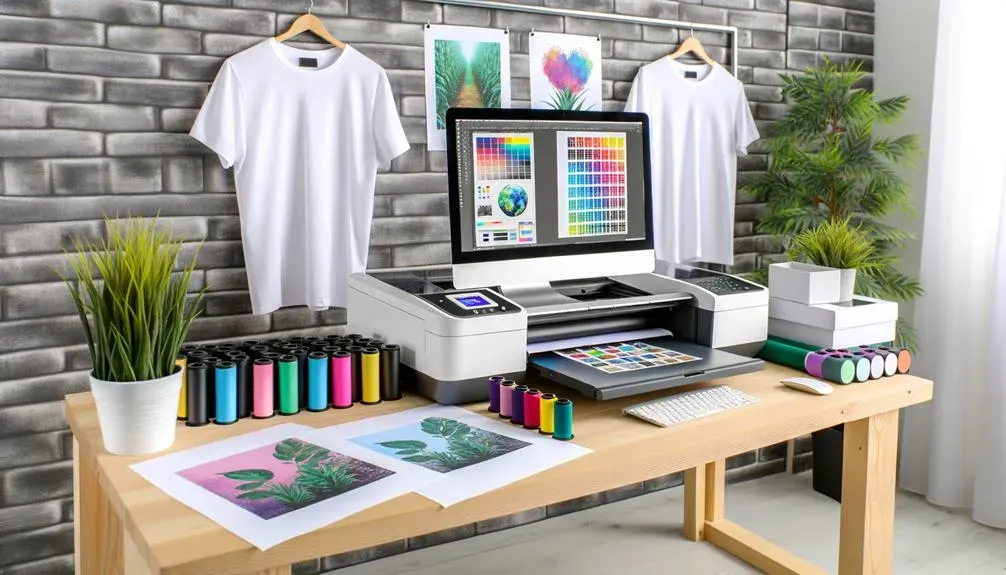
DIY DTF Printing at Home has transformed from a niche hobby into a practical workflow for designers, makers, and small brands. Direct-to-film printing lets you produce full-color transfers with fewer steps than traditional methods, while staying flexible across fabrics and designs. If you’re considering starting a home-based garment business or crafting personalized apparel for events or local markets, mastering DTF printing at home can be a game changer. This guide covers the essential tools, setup considerations, and best practices to help you achieve consistent, high-quality transfers without the need for a professional studio. From DTF setup and tools to printer recommendations and DTF transfers at home, you’ll learn to optimize every step of the process.
In practical terms, this home-based approach uses a film-backed transfer process to move vibrant images onto fabrics with heat and pressure. Think of it as a compact, do-it-yourself version of professional direct-to-film workflows, where you pair a compatible printer, specialty film, and adhesive powders. With the right setup, you can experiment with full-color designs on cotton, blends, and even some synthetics, making it suitable for small runs and quick-turn projects. This at-home production path benefits from scalable equipment and careful color management, alongside practical tips for cost control and routine maintenance.
DIY DTF Printing at Home: From Hobby to Scalable Small-Batch Production
DIY DTF Printing at Home can transform how you create apparel on demand. By embracing direct-to-film printing and DTF printing at home, you can produce vibrant, full-color transfers with fewer steps than traditional methods, enabling rapid prototyping and small runs.
This approach supports a home-based garment business or customized event merchandise, offering flexibility across fabrics and designs. It also emphasizes a practical workflow, from design to transfer, that helps you achieve professional results without a commercial studio.
DTF Setup and Tools: Building Your Core Toolkit for Home Printing
A reliable toolkit is the foundation of consistent DTF transfers. Start with a DTF printer or a compatible printer configured for DTF work, plus the right films, adhesive powder, a shaker, and a curing setup so ink, powder, and film bond evenly. This section also aligns with the concept of DTF setup and tools to ensure you have a cohesive starting point.
Choose a heat press with even heat distribution and adjustable time, and pair it with heat resistant surfaces and protective coverings. Add design and color management tools, PPE, and a small workspace layout plan to maintain a clean, safe, and efficient production line. Consider practical DTF printer recommendations and vendor guidance to optimize your setup.
Direct-to-Film Printing Workflow: From Design to Transfer
Design and color management are the first steps in the direct-to-film printing workflow. Use vector or high resolution artwork, soft proofing, and ICC profiles to minimize color shifts between screen and fabric, then test print on a small film surface to verify alignment and ink coverage. This approach mirrors best practices for direct-to-film printing to ensure consistency.
Next, print on DTF film, apply a uniform powder layer, cure it, then prepare the garment for transfer. Ensure proper drying time after printing and follow film guidelines for temperature, pressure, and peel method to complete the transfer with consistent results.
Substrates and Finishing: Achieving Consistent DTF Transfers at Home
Substrate selection matters for durability and color fidelity. Most DTF transfers perform best on 100% cotton or high-cotton blends, while poly blends may require testing for heat and pressure settings to avoid dye migration. Starting with test swatches helps you map fabric behavior before larger runs.
Finish considerations include pre-press steps, post-press curing, and final inspection. Use barrier sheets and protective coverings to protect fabric and equipment, and document your process to reproduce reliable results across multiple orders.
DTF Printer Recommendations and Maintenance for a Home Studio
When researching DTF printer recommendations, look for reliable ink delivery, stable color accuracy, and accessible support for your chosen film and powders. A good printer model should align well with the films you plan to use and keep maintenance straightforward.
Maintenance keeps your setup performing. Regularly clean printheads and film paths, replace worn silicone mats and teflon sheets, and keep your work area dust-free. Establish a routine that includes calibration checks and color profile updates to sustain consistent results.
Cost, ROI, and Scaling Your DIY DTF Studio
Cost management and ROI are critical as you scale. Track material costs, electricity, and maintenance, then compare against selling prices to determine profitability. The ability to produce on demand reduces waste, avoids excess inventory, and supports lean operations for DTF transfers at home.
To scale, optimize your workflow, expand substrates gradually, and consider additional equipment like a second press for small batches. Document temperatures and times for each fabric type, join communities for troubleshooting, and plan for increasing order volume while maintaining quality.
Frequently Asked Questions
DIY DTF Printing at Home: What is it and why is it practical for designers and makers?
DIY DTF Printing at Home lets you produce full-color transfers using direct-to-film printing on demand. It’s practical for designers, hobbyists, and small brands because you can customize runs, reduce outsourcing, and test ideas quickly without a full studio. This approach emphasizes a streamlined workflow, essential tools, and best practices to achieve consistent, high-quality transfers at home.
What are the essential items in the DTF setup and tools for DIY DTF Printing at Home?
A reliable DTF printer or compatible unit configured for DTF, DTF film and adhesive powder, a powder shaker, a curing/drying setup, a heat press, heat-resistant non-stick surfaces, design software with color management, PPE and ventilation, and fabric swatches for testing. These are the core elements of a solid DIY DTF Printing at Home workflow.
How does direct-to-film printing work in a home studio for DTF transfers at home?
In brief: design with color management; print on DTF film; apply adhesive powder and cure; transfer the film to fabric using the recommended temperature, pressure, and time; and perform post-press finishing. This direct-to-film printing workflow enables vibrant transfers for DTF transfers at home with fewer steps than traditional methods.
What DTF printer recommendations should I consider for DIY DTF Printing at Home?
When choosing DTF printer recommendations for DIY DTF Printing at Home, look for stable color output, compatibility with your films and powders, ease of maintenance, running costs, and good vendor support. Decide between a dedicated DTF printer or a convertible setup, and start with a tested starter kit and workflow to minimize trial-and-error.
What common issues occur with DTF transfers at home and how can I troubleshoot?
Common issues include white or missing areas (check powder coverage and curing), color bleeding or misalignment (revisit color management and printer calibration), powder not sticking (ensure film is dry and evenly distributed), and peeling/dull transfers (adjust temperature, time, and pressure and follow the correct peel method). These troubleshooting steps help maintain consistent results for DIY DTF Printing at Home.
How can I estimate cost, ROI, and scale DIY DTF Printing at Home?
Estimate ROI by calculating upfront costs (printer, heat press, film, powders) and per-shirt costs (materials, electricity, maintenance). Compare to expected selling price and volume to determine break-even and profitability, then plan to scale with more substrates or a second press as demand grows.
| Key Point | Summary |
|---|---|
| Tools and Equipment | A reliable toolkit for DIY DTF Printing at Home, including a DTF printer, film, adhesive powder, powder shaker, curing/drying setup, heat press, heat-resistant non-stick surfaces, design software, PPE, and test substrates. |
| Workspace and Setup | A clean, ventilated home studio with dedicated production and finishing zones, good lighting, stable temperature, humidity control, reliable electrical supply, and safe storage. |
| Workflow: From Design to Transfer | Step-by-step process: design and color management, printing on DTF film, powdering and curing, transferring to fabric, and post-press finishing. |
| Best Practices for Consistent Quality | Maintain color accuracy through monitor calibration and ICC profiles, choose compatible substrates, manage temperature and time, apply even pressure, perform pre-pressing, and conduct regular maintenance. |
| Common Issues and Troubleshooting | Typical problems include white/missing areas, color bleed, powder not sticking, and peeling; fixes involve proper curing, color management, even powder distribution, and correct peel methods. |
| Maintenance and Longevity | Regular cleaning, using quality consumables, inspecting and replacing worn components, and monitoring printheads and film paths to extend equipment life. |
| Cost Considerations and ROI | Weigh initial investment against on-demand production savings, track cost per shirt (materials, electricity, maintenance), assess profitability, and plan scaling as volume grows. |
| Practical Recommendations for Beginners and Beyond | Start with a complete starter kit from a reputable vendor, invest in a quality heat press, build a catalog of test designs on different fabrics, keep thorough notes, and engage with online communities for tips. |
Summary
DIY DTF Printing at Home opens the door to flexible, on-demand garment production with comparatively low overhead and a scalable workflow. By selecting the right tools, creating a well-organized workspace, and following best practices for color management, curing, and substrate compatibility, you can achieve professional-quality transfers that satisfy customers and friends alike. With careful planning, ongoing maintenance, and a willingness to refine your process, your home-based DTF projects can grow into a dependable source of creativity and value.