


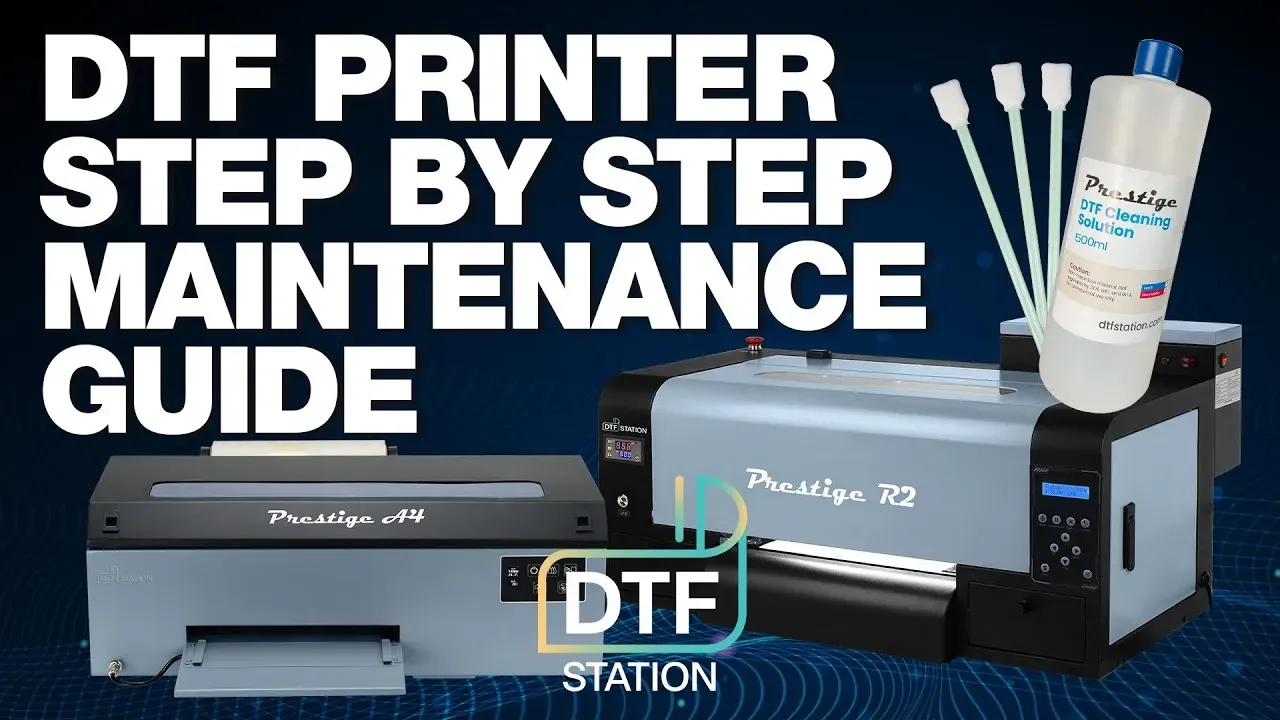
DTF Printer Maintenance is the backbone of reliable production, ensuring consistent color and longer equipment life. To get the most from your investment, follow practical DTF printer maintenance tips and focus on keeping the ink system clean and calibrated. Regular tasks like how to clean DTF printer, nozzle checks, and printhead care directly affect DTF print quality improvement. A well-planned routine maintenance for DTF printers reduces downtime and supports consistent results across production runs. The goal is proactive DTF machine calibration and a clean workflow that protects your consumables and boosts overall efficiency.
Think of this maintenance as preventative care for your DTF printing system, a proactive program of checks, cleanings, and alignments that preserves throughput and color fidelity. In practice, technicians refer to it as printer servicing, device upkeep, and calibration routines, all aimed at reducing downtime and extending component life. The focus is on maintaining the ink delivery, media path, powder distribution, and heat/cure consistency to ensure reliable transfers. By treating upkeep as an integrated process, shops can sustain quality, minimize waste, and protect their investment.
DTF Printer Maintenance Tips: Daily to Weekly Best Practices
Effective DTF printer maintenance starts with practical, repeatable routines you can perform daily. Focus on surface cleanliness, film path integrity, and ink system checks to prevent minor issues from becoming costly failures. By treating maintenance as a normal part of production, you align with core DTF printer maintenance tips that protect print quality and uptime.
Weekly and daily routines build a solid foundation for DTF print quality improvement. Regular nozzle checks, printhead cleaning with manufacturer-approved solvents, and careful alignment verification support ongoing quality and stability. Following this cadence also reinforces routine maintenance for DTF printers by catching wear early and stabilizing color across runs.
How to Clean DTF Printer: Step-by-Step Cleaning Protocols
Knowing how to clean DTF printer components safely begins with exact preparation: power down, remove residual inks, and gather lint-free cloths, distilled water, and the designated cleaning solution. Start with the film path and easy-to-reach contact points, then move to the printhead housing, following the manufacturer’s recommendations to avoid seal damage or fluid ingress.
Between production cycles, a thorough but careful cleaning routine helps maintain consistent adhesion and prevents powder buildup from affecting transfers. This is a practical component of DTF printer maintenance tips and directly supports DTF print quality improvement by keeping pathways clear and reducing banding caused by partial clogs. For training purposes, remember this guide covers how to clean DTF printer components safely and effectively.
DTF Print Quality Improvement Through Regular Calibration
Calibration is essential for consistent color and sharp detail. Regular calibration routines align color registration, film-to-substrate positioning, and ink delivery, driving measurable DTF print quality improvement across batches. Treat calibration as a scheduled quality control step rather than an afterthought.
Use color test charts, verify head-to-rail alignment, and monitor temperature compensation where applicable. Document the results and compare against prior runs to identify drift, ensuring you stay on target with each production cycle and supporting ongoing quality control efforts.
DTF Machine Calibration: Steps for Accurate Color Registration
DTF machine calibration involves a structured sequence that begins with a baseline test print and ends with a verified alignment map. Start with the film-to-substrate alignment at a known reference point, then adjust the printhead offsets and feed path if required. Following manufacturer guidelines ensures repeatable results and minimizes color drift.
Conduct periodic calibration checks after major consumable changes or service work, and store the calibration profile for quick recall. A disciplined calibration routine helps maintain color fidelity and supports predictable output in high-volume production.
Routine Maintenance for DTF Printers: Monthly and Beyond
Routine maintenance for DTF printers should be anchored to a monthly schedule that covers printhead health, capping station wear, and conveyor or rail alignment. Use this cycle to perform deeper cleanings, inspect seals, and verify that the transfer film path remains unobstructed. Keeping a documented plan supports consistent results and reduces unplanned downtime.
Keep spare parts and critical consumables on hand, review lubricant levels, and test the runtime efficiency of the curing or heat unit. This proactive approach aligns with a well-planned maintenance strategy and contributes to longer equipment life and smoother production flows.
Troubleshooting and Proactive Maintenance: Reducing Downtime with a Plan
Proactive maintenance reduces downtime by turning issues into routine checks. When banding, ghosting, or adhesion failures appear, refer back to your maintenance logs, check nozzle health, re-run alignment tests, and verify film tension. A structured plan lets you address symptoms before they become costly outages.
With a documented maintenance plan, teams can track defect patterns, forecast component wear, and ensure consistent training for operators. This approach supports routine maintenance for DTF printers, helps achieve smoother color management, and directly contributes to higher uptime and lower per-job costs.
Frequently Asked Questions
What are the essential DTF printer maintenance tips for daily checks to protect print quality?
DTF printer maintenance tips for daily checks help prevent downtime and protect print quality. Focus on surface cleanliness, the film path, ink system levels and seals, powder adhesion, and a quick nozzle test. These daily actions help maintain consistent color and reduce defects that creep in over time. Follow the device manufacturer’s guidance for steps and safety. Keeping a short log of daily results helps spot drift early.
How to clean DTF printer as part of routine maintenance for DTF printers?
To clean DTF printer as part of routine maintenance for DTF printers, start with manufacturer-approved cleaners and avoid harsh solvents. Clean the printhead and contact points, wipe the film-path components, and inspect for powder buildup. Use lint-free cloths and follow a safe sequence to minimize solvent exposure to seals. Regular cleaning prevents clogging and supports reliable print quality. Schedule deeper cleanings per the manufacturer’s guidelines to avoid excessive wear.
What weekly tasks support DTF print quality improvement?
Weekly tasks that support DTF print quality improvement include thorough printhead cleaning if density or line consistency declines, nozzle check and alignment, inspecting the capping station and wiper, reviewing powder flow on the film, and cleaning rails and exposed connectors. Document anomalies and compare week over week to detect drift. Regular weekly maintenance reduces the risk of defects and downtime.
Why is DTF machine calibration important for color accuracy and consistency?
DTF machine calibration is crucial for color accuracy and repeatable results. Monthly calibration should verify and adjust the print path alignment using a color test chart or the printer’s calibration routine. Accurate calibration minimizes misregistration, color drift, and banding, delivering consistent DTF print quality improvement across runs. If you replace major consumables or perform long production, re-run calibration to keep alignment tight.
How does monthly maintenance for DTF printers protect components and reduce downtime?
Monthly maintenance for DTF printers protects core components and reduces downtime by addressing wear before it fails. Key tasks include calibrating the print path, inspecting the printhead for wear or micro-damage, checking the thermostat or heater stability, auditing consumables inventory, and lubricating rails and bearings. Keeping belts and tensioners in good condition preserves smooth motion and reduces unexpected stoppages. Documenting results helps you track reliability over time.
What practical maintenance plan can you start today for routine maintenance for DTF printers?
A practical maintenance plan you can start today includes a weekly maintenance checklist with printhead checks and belt alignment, a monthly deep-clean and calibration session documented, an inventory plan for spare parts and consumables, operator training, and regular review of production data to link maintenance with quality. Create standard operating procedures and assign responsibilities. This routine maintenance for DTF printers helps you maintain color accuracy, extend equipment life, and minimize downtime.
| Area | What to Do | Why It Matters / Outcome |
|---|---|---|
| Overview | Adopt a maintenance mindset; follow a planned routine; essential tips to extend equipment life and ensure color accuracy | Improves print quality, reduces downtime, lowers cost per job |
| Daily Quick Checks | Surface cleanliness; film path; ink system; powder adhesion; quick nozzle check | Prevents subtle defects and major downtime |
| Weekly Tasks | Printhead cleaning; nozzle alignment; capping/wiper inspection; powder/film handling; routine cleaning | Maintains print quality and reliability |
| Monthly Maintenance | Calibrate print path; inspect printhead; verify thermostat/heater; audit consumables; lubricate rails/bearings | Preserves alignment and performance for longer runs |
| Cleaning & Best Practices | Clean printhead/contact points; film pathway hygiene; ink system integrity; powder management; calibration after major changes | Supports color fidelity and consistent transfer |
| Troubleshooting & Maintenance | Address banding, uneven transfer, ghosting; check wear; keep spares; document failure patterns | Reduces unexpected downtime |
| Safety & Environment | Clean, ventilated workspace; electrical safety; chemical handling; maintain calibration logs | Protects personnel and preserves data integrity |
| Practical Plan | Weekly checklist; monthly deep-clean & calibration; inventory plan; train operators; review metrics | Operational readiness and measurable quality improvements |
Summary
HTML table created to explain key points of the base content in English. A descriptive SEO-friendly conclusion follows, emphasizing DTF Printer Maintenance and its benefits.