


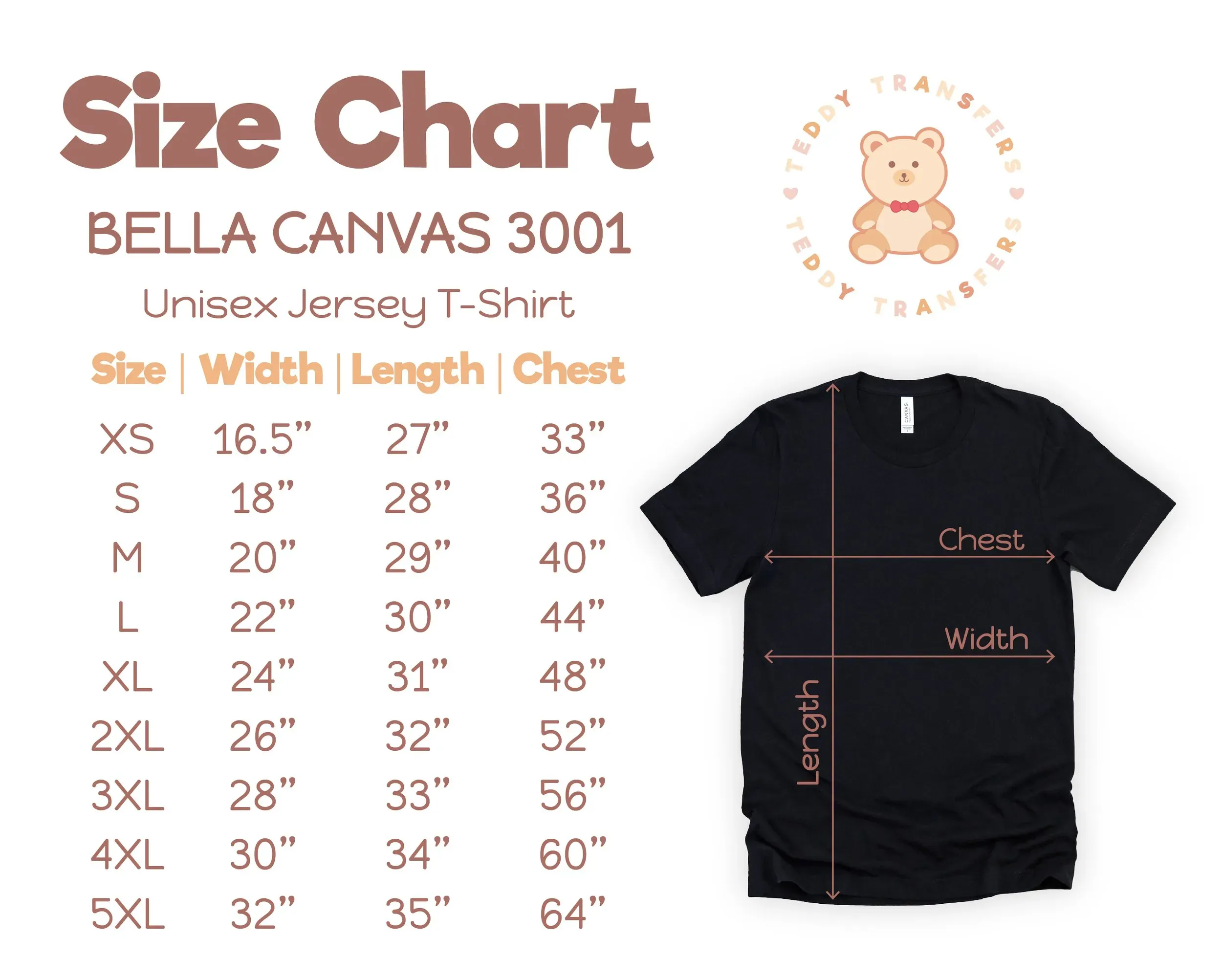
DTF Transfer by Size is a pivotal concept in the world of Direct-to-Film (DTF) transfer printing, which has revolutionized custom apparel by allowing for vibrant and durable prints on various fabrics. As businesses strive to deliver top-notch prints on garments, understanding size considerations in DTF becomes crucial to achieving optimal results. This guide will delve into the intricacies of design preparation for DTF, ensuring that your prints not only look stunning but also fit perfectly across different garment sizes. With careful attention to detail and proper techniques, you can maximize the potential of DTF transfer printing in your custom projects. Stay tuned as we explore the essential factors that influence printing success via size, from file resolution to printer capabilities.
When discussing the nuances of DTF transfer sizing, one might refer to it as Direct-to-Film printing by dimensions, which emphasizes the importance of matching design scale to garment sizes. Custom garment printing relies on understanding how design elements can be adapted for varying apparel dimensions, making size considerations a crucial aspect of the process. As you prepare designs for transfer onto fabrics, it becomes essential to consider the scale and quality of each print, ensuring they not only capture visual appeal but also maintain integrity across diverse sizes. This approach, grounded in effective design preparation for DTF, empowers businesses to offer high-quality prints that resonate with customers. Join us as we uncover the best practices for optimizing your DTF transfer solutions by size.
The Importance of Size in DTF Transfer Printing
In the realm of DTF transfer printing, understanding the impact of size on the final output cannot be overstated. The print size not only affects the visibility and aesthetics of the design but also its durability on various fabric types. Large prints, suitable for adult-sized garments, allow for intricate details and vibrant color applications, making the apparel visually appealing. Conversely, when printing on smaller-sized clothing items, such as children’s t-shirts, it’s essential to scale down the design while ensuring core elements remain prominent. This balance is crucial to maintain the intended design integrity across different sizes.
Moreover, when considering the size in DTF transfer, it is important to adhere to recommended dimensions. Design experts suggest that adult sizes should have prints between 10 to 12 inches wide for optimal impact. For smaller sizes, adjustments must be made to preserve the visual quality, which often involves rethinking graphical elements to suit reduced dimensions. By taking these size-based considerations into account, designers enhance the overall quality of prints that not only meet customer expectations but also stand the test of time on apparel.
Design Preparation: Tailoring to Size
Preparing designs for DTF transfer printing requires meticulous attention to the specific sizes of garments being printed on. One key element is the resolution of the images—high-resolution files, ideally at 300 DPI, ensure that even when designs are scaled up or down, clarity and details are preserved. This precision is particularly critical when working with intricate graphics or text that needs to be legible across varying garment dimensions.
Additionally, the choice of file formats is another crucial aspect of design preparation. Vector files, such as SVG or AI formats, are favored in DTF printing due to their scalability without any loss in quality, making them suitable for various garment sizes. By preparing designs with the right resolution and file type, businesses can ensure that their DTF transfer printing is consistently high-quality, regardless of the size adjustments needed.
Material Choices That Impact Size Efficacy in DTF
When it comes to DTF transfer printing, the selection of materials significantly affects the final product’s quality and adherence, particularly when dealing with various sizes. High-quality DTF transfer films are essential, as they affect how well the ink adheres to the fabric and ultimately how durable the print will be. Companies using inferior quality films often face issues like peeling or cracking, especially on smaller garments where prints may be subjected to more stress during wears or washes.
Moreover, the choice of adhesive used during the transfer process should align with both the fabric type and the quality of the film selected. Proper adhesive that complements the fabric ensures that the transfer accurately translates across different garment sizes, thus enhancing the longevity of prints. By prioritizing these material considerations, businesses can improve the success rate of their DTF printing processes and deliver quality products to customers, even across various apparel sizes.
Printer Capabilities: Essential Considerations for Size
Acquiring the right printer is critical to achieving high-quality DTF transfer printing that considers size. DTF-specific printers are designed to handle the unique demands of film printing. For instance, they must accommodate various transfer film types and support diverse size requirements, which includes the ability to print larger formats without compromising quality. This role of the printer ensures that no matter the garment size, the prints remain vibrant and true to the original design.
Additionally, heat press equipment also plays a significant role in influencing the success of DTF transfers by size. Different fabrics may need varying temperatures and pressures to ensure that the designs adhere correctly. Professional-grade heat presses equipped with adjustable settings are essential for any operation focused on producing high-quality transfers across different garment sizes. By investing in the right printer and heat press technology, businesses not only enhance the quality of their products but also improve operational efficiency in their printing processes.
Innovations Driving DTF Printing Efficiency and Size Adaptability
As the DTF printing industry evolves, new innovations are shaping the way businesses approach size adaptability and efficiency. Developments like biodegradable inks and films not only boost sustainability but also provide new features for print durability without compromising on size or color vibrancy. This shift towards greener printing methods allows apparel businesses to cater to environmentally conscious consumers seeking high-quality, custom designs that also honor sustainability.
In addition to eco-friendly materials, advancements in curing technology have led to improved methods that enhance adhesion across various fabric types. These new technologies ensure that prints hold up better over time, even on garments with challenging sizes or materials. By staying abreast of such innovative practices, printing businesses can deliver superior results that appeal to a wider audience while maintaining a commitment to quality and durability in their DTF transfer printing.
Conclusion: Mastering DTF Transfer by Size for Success
In wrapping up, mastering DTF transfer printing by size encompasses understanding key aspects including design considerations, precise file preparation, and investment in the right equipment. Each of these factors plays a crucial role in determining the quality of prints, ensuring that businesses can meet consumer demands with products that are both appealing and durable. From scaling designs to suit different garment sizes to ensuring high-resolution outputs, the attention to detail can significantly influence overall success.
Lastly, as the industry continues to innovate with emerging technologies and materials, keeping up with these trends will be essential for businesses looking to thrive in the competitive landscape of custom apparel. By embracing these advancements and focusing on size-specific strategies, companies are better oriented to deliver exceptional prints that satisfy customer expectations and foster long-term loyalty in their branding efforts.
Frequently Asked Questions
What are the key size considerations when preparing designs for DTF transfer printing?
When preparing designs for DTF transfer printing, size is crucial. It’s essential to consider differences between adult and youth sizes; adult garments can accommodate designs 10–12 inches wide, while smaller sizes may need scaled-down graphics. Ensuring the visual integrity of the design is essential, regardless of garment size.
How do I ensure my files are correctly prepared for DTF transfer by size?
To prepare files for DTF transfer printing, maintain a resolution of 300 DPI to prevent pixelation. Using vector file formats like SVG or AI allows for resizing without loss of quality, making them ideal for varying garment sizes. Always verify your designs are optimized for the specific sizes you plan to print.
What impact does material choice have on DTF transfer printing by size?
Material quality significantly influences the outcome of DTF transfer printing. High-quality DTF films ensure better adhesion, durability, and prevent issues like peeling or cracking. Selecting appropriate adhesive types for the fabric is equally important, as it ensures successful application across multiple garment sizes.
What should I know about printer capabilities for DTF transfer printing by size?
When selecting equipment for DTF transfer printing, ensure your printer is designed specifically for DTF applications and can handle your chosen material sizes. Additionally, confirm that your heat press can maintain the necessary temperature and pressure settings, as this directly affects print quality for various garment sizes.
How do design size adjustments affect print quality in DTF transfer printing?
Adjusting design sizes is critical to achieving optimal print quality in DTF transfer printing. For larger adult sizes, intricate details can be included, while smaller sizes may require simpler designs. Ensuring that key design elements remain visible and intact during resizing can enhance the final print outcome.
What recent innovations are influencing DTF transfer printing by size?
Recent innovations in DTF transfer printing include biodegradable inks and films which reduce environmental impact, alongside new curing technologies that improve adhesion across various fabric types. Staying updated with these advancements can enhance your printing business’s efficiency and product quality, especially when considering different garment sizes.
| Key Points | Details |
|---|---|
| Introduction | Overview of DTF transfer printing and its growing popularity in custom apparel. |
| Design Size Matters | Different sizes (adult vs. youth) affect design scaling. Recommended print dimensions: 10-12 inches wide for adults. |
| File Preparation | Use high-resolution images (300 DPI) and vector formats (SVG, AI) for best quality. |
| Material Considerations | Choose high-quality DTF films and compatible adhesive types to ensure durability. |
| Printer Capabilities | Select DTF-compatible printers and heat press equipment to optimize the printing process. |
| Innovations | Emerging technologies include biodegradable materials and improved curing processes. |
Summary
DTF transfer by size is crucial for achieving high-quality prints in custom apparel printing. Understanding how size affects design, file preparation, and equipment selection is vital for success in this printing method. By focusing on these key aspects, businesses can ensure vibrant, durable designs that appeal to diverse customer needs and preferences. Additionally, staying updated with advancements in DTF technology will not only enhance print quality but also align operations with sustainable practices that are increasingly important in today’s market.