


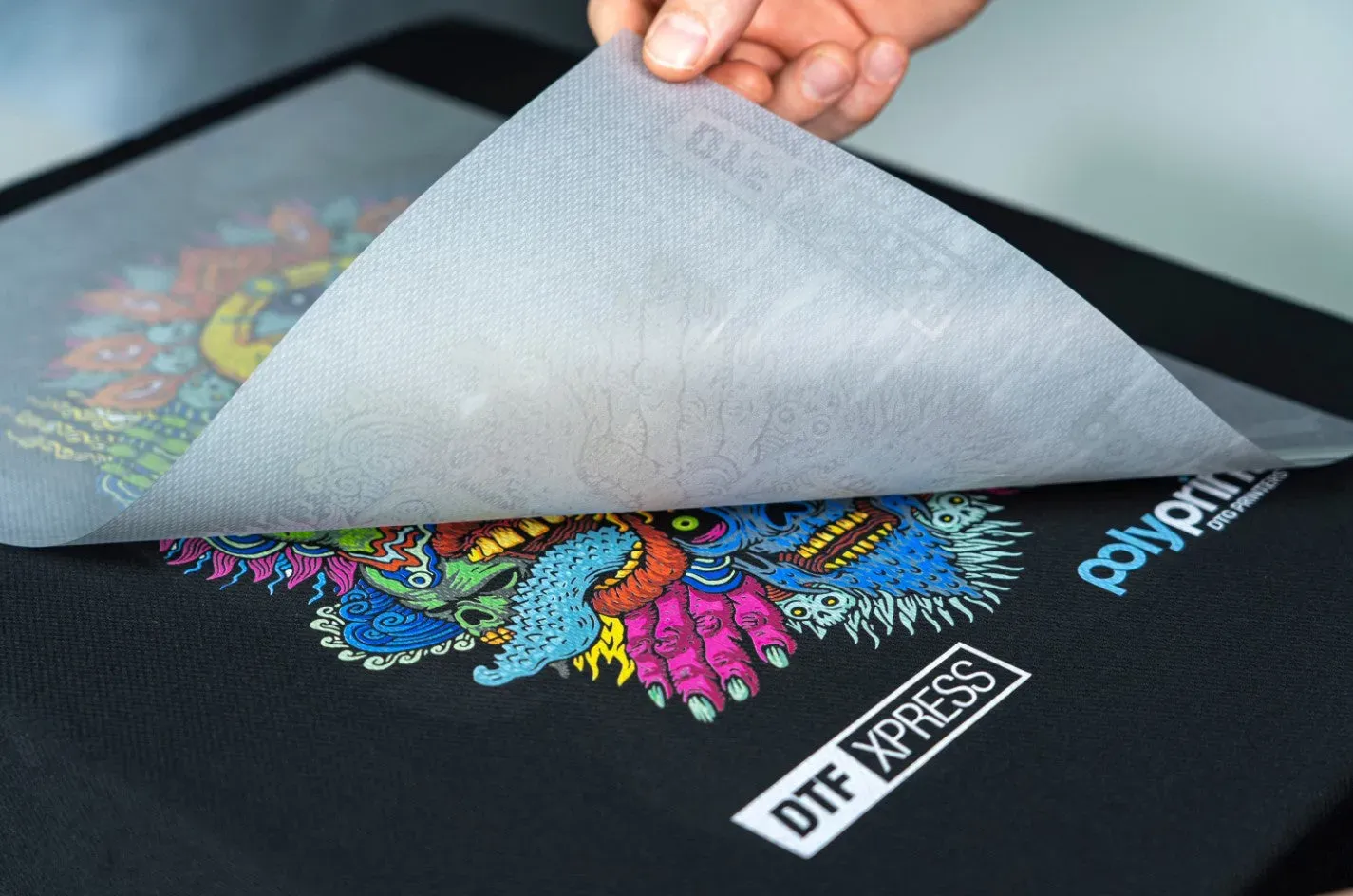
DTF on dark fabrics has transformed how designers and print shops approach vibrant, long-lasting graphics on garments, enabling bold artwork that withstands daily wear. This technique yields bright imagery that remains legible on black or navy backgrounds. A key factor behind consistent results is smart color separation techniques that preserve edge definition and accurate hues as ink layers build, preventing bleed and muddy details. Equally important are controlling the opacity of the white underbase and ensuring precise heat press curing for DTF to lock in color and durability, a step that also affects hand feel, texture, and long-term wash performance. Together, these steps form a repeatable workflow that yields vibrant, durable prints on a range of dark fabrics.
Viewed through an alternative lens, this process is a digital transfer method for dark textiles, blending graphics with a durable film and adhesive. Instead of relying on traditional screen printing alone, it emphasizes a strong white underbase, careful color planning, and a controlled heat-application sequence. From an LSI perspective, focus areas include coverage, edge integrity, color management, fabric compatibility, and wash durability. With that mindset, shops can optimize workflows for both small studios and high-volume production, delivering consistent results across garment colors.
DTF on dark fabrics: Achieving opacity and vibrant colors
DTF on dark fabrics remains a game changer for apparel graphics, delivering bright imagery on black, navy, and other deep-toned textiles. The secret ingredient is true opacity achieved through a solid white underbase and precise layering, so colors sit on top rather than soaking into the fabric. When executed correctly, the result is sharp edge definition, clean fills, and vibrant hues that stay visible after repeated washing. This approach is central to DTF printing on dark fabrics, enabling designs to pop against dark backgrounds.
For reliable opacity in DTF on dark fabrics, align pretreatment, white ink opacity, color separation, and curing as a single workflow. Each step must be tuned to the fabric type and ink system so the final print remains bright from the first pull to the last wash, with consistent performance across batches and production days.
Pretreatment for dark fabrics: establishing a foundation for pigment adhesion
Pretreatment for dark fabrics prepares the surface so ink adheres evenly and dries consistently, preventing halos and patchy underbase areas. The goal is a uniform, slightly textured surface that anchors the white ink and reduces absorbency differences across fibers, which directly impacts the final opacity and color clarity.
When selecting pretreatment for dark fabrics, match the chemistry to fiber content (cotton, blends, polyester). Apply with a controlled spray setup, targeting a light-to-medium mist, then allow thorough drying before printing. A properly cured pretreatment helps the white underbase sit on top of the fabric rather than sink in, improving opacity and overall print durability.
White ink opacity: maximizing brightness on dark garments
White ink opacity is the backbone of vibrant color on dark garments. The opacity you achieve depends on ink formulation, printhead performance, and how densely the white layer is laid down before the color layers are applied. A strong white underbase ensures that the subsequent colors read true and bright, even on deep backgrounds.
Optimize by running test prints on your target fabrics, adjusting white underbase density, bleed control, and layer sequencing. A balanced underbase fills fabric texture without becoming overly stiff, ensuring colors remain vivid and flexible after transfer and wash.
Color separation for DTF: precision for edges and vibrancy
Color separation for DTF is about designing color builds so edges stay crisp and tones stay true on dark backgrounds. Proper separation minimizes muddy hues when light colors pass through the white underbase and helps maintain vibrancy across the print. Thoughtful separation also reduces color bleeding and ensures sharp detail in fine lines.
Leverage RIP software and calibrated ICC profiles for accurate color rendering. Plan the order of layers (often light to dark or using a reverse print) and run test separations to check edge sharpness and color integrity, especially for fine lines and photographic details. This careful preparation directly supports consistent results, even on challenging dark fabrics.
Heat press curing for DTF: durable transfers on dark fabrics
Heat press curing for DTF requires careful tuning of temperature, time, and pressure to lock in color and resist cracking on dark fabrics. Typical guidelines suggest 170–185°C (340–365°F) with a dwell of 10–20 seconds and even, medium pressure, followed by proper cooling. The exact settings depend on the ink, film, and fabric blend, so documenting a baseline is essential.
Document standard operating procedures for heat press settings per fabric type, and verify curing through wash tests and visual checks. Consistent curing improves wash durability and color retention across runs, helping you scale from small jobs to high-volume production with predictable results.
Troubleshooting opacity, color, and adhesion on dark fabrics
Opacity issues on dark fabrics often show up as halos, uneven white underbases, or patchy color reads. These symptoms usually point to imbalances in pretreatment, white ink density, or curing. Understanding the interaction between the white layer and the fabric texture is key to diagnosing root causes.
Address these challenges by refining pretreatment application, calibrating white ink density, rechecking color separation, and validating heat press timing and pressure. Small adjustments in each area can yield dramatic improvements in opacity, color fidelity, and overall garment durability, ensuring repeatable results across runs.
Frequently Asked Questions
Why is pretreatment for dark fabrics essential for DTF on dark fabrics?
Pretreatment for dark fabrics prepares the textile surface to receive white ink evenly and anchor the transfer. It reduces absorption into the fibers, minimizes halos, and improves overall opacity and wash durability in DTF on dark fabrics. Apply a fabric-specific pretreatment with a spray system for a light, uniform coat, allow to dry completely, and cure per the product’s guidelines before printing.
How does white ink opacity affect DTF on dark fabrics, and how can I optimize it?
White ink opacity is the foundation of color on dark backgrounds in DTF on dark fabrics. A strong white underbase creates vibrant colors and prevents transparency. Optimize by using DTF-specific white ink, setting the correct underbase density, printing in the right order (white first, then color), and performing test prints to adjust density and curing to prevent stiffness or cracking.
What role does color separation for DTF play in achieving accurate colors on dark fabrics?
Color separation for DTF ensures edges stay clean and colors stay true on dark fabrics. Use RIP software with ICC profiles tuned for your ink and fabric, plan color builds from light to dark or use reverse printing to align with the white underbase, and run test separations to verify edge definition and color integrity for both bold and fine details.
What heat press curing for DTF parameters are recommended when printing on dark fabrics?
Heat press curing for DTF on dark fabrics requires matching the ink and film specs. Common settings are around 170–185°C (340–365°F) for 10–20 seconds with even medium pressure, followed by a post-press cooling period. Always verify with your specific transfer materials and fabric, and document your standard operating procedure for repeatable results.
What common opacity and color issues occur with DTF on dark fabrics, and how can I troubleshoot them?
Opacity and color issues in DTF on dark fabrics often show as halos, color shifts, or dull tones. Troubleshoot by checking pretreatment coverage, increasing white underbase density slightly, refining color separation to reduce bleed, and confirming proper curing and post-press cooling. Small adjustments and test runs on target fabrics will improve consistency.
What workflow best ensures durable, vibrant results for DTF on dark fabrics?
Best-practice workflow for DTF on dark fabrics builds reliability: design with a visible white underbase, calibrate the printer/RIP with an appropriate ICC profile, apply pretreatment evenly, print white underbase first, verify opacity before color layers, transfer with calibrated heat press settings, and perform wash tests to confirm durability. Document SOPs and use high-quality white ink and transfer films to maintain consistency across runs.
| Aspect | Key Points | Notes / Best Practices |
|---|---|---|
| DTF on dark fabrics basics | White underbase is essential for opacity on dark fabrics; main pillars are pretreatment, white ink opacity, and curing | Plan for opacity and color accuracy on dark backgrounds; aim for bright imagery and durable prints on blacks and navys. |
| Pretreatment for Dark Fabrics | Prepares fabric surface, reduces ink soak, enables even ink anchoring | Use fabric-specific pretreatment; apply evenly with a spray system; ensure complete drying before printing. |
| White Ink Opacity & Coverage | White underbase density controls opacity; balance to avoid transparency or stiffness; proper layering matters | Perform test prints on target fabrics; adjust white ink density and curing; maintain clean layer sequencing (white first, then color). |
| Color Separation & Ink Management | Proper separation ensures clean edges and true color density; use RIP and calibrated ICC profiles; plan light-to-dark builds | Test separations for edge smoothness, verify color integrity, and adjust as needed for fine lines and photography. |
| Curing & Heat Press Parameters | Curing is essential for durability; heat press affects opacity and saturation | Follow ink/film manufacturer guidelines; typical ranges ~170–185°C (340–365°F); 10–20 seconds; ensure even pressure and post-press cooling. |
| Practical Workflow | Step-by-step process for consistent results | Artwork prep with white underbase in mind; calibrate printer/RIP; pretreat fabric; print, verify opacity; transfer and cure; post-cure testing. |
| Troubleshooting Common Issues | Opacity issues, color fade, cracking, edge halos | Diagnose causes (white density, pretreatment, separation, curing, alignment) and apply targeted fixes. |
| Fabrics & Materials | Fabrics differ in fiber content, weave, and color depth; impacts opacity and color fidelity | Test on target fabrics; select inks/films compatible with fiber type and wash expectations. |
| Best Practices | Maintain consistency with tests and maintenance | Small-scale tests before runs, routine printer/RIP maintenance, document SOPs, invest in high-quality white ink and films, and use a dedicated dark-fabric workflow. |
Summary
DTF on dark fabrics opens new possibilities for vivid, durable graphics on dark garments. This approach relies on precise pretreatment, robust white ink opacity, careful color separation, and controlled curing to ensure vibrant colors and lasting wash performance. By designing with a white underbase and managing ink density, printers can prevent color shifts and halos on black fabrics. A disciplined workflow, continuous testing, and thorough documentation help scale the process from small shops to high-volume production. With the right materials and procedures, DTF on dark fabrics delivers consistent results across a range of garment colors and textures.