


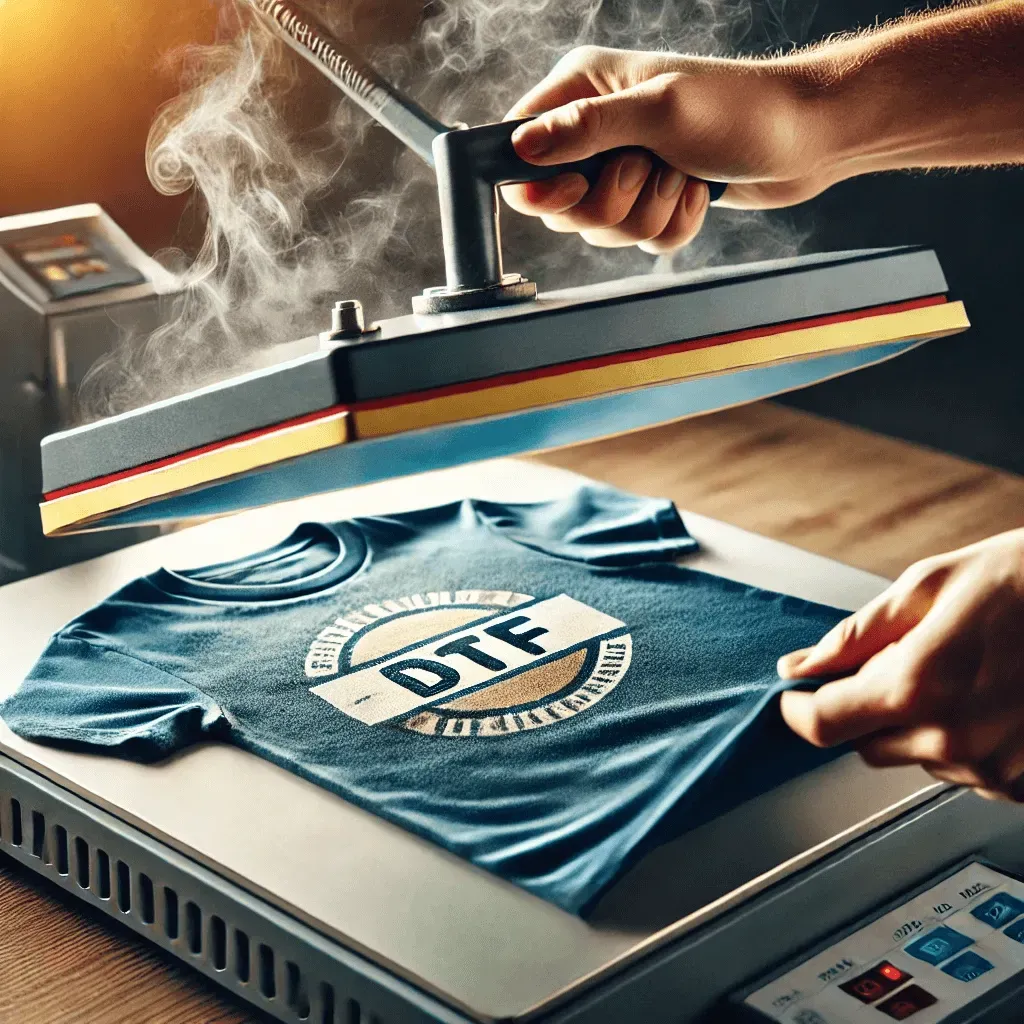
DTF heat press technology has revolutionized garment decoration by delivering vibrant color with a soft hand feel. Understanding DTF heat press temperature, DTF transfer time, and DTF pressure settings is essential to consistent, durable results. This guide shares practical DTF printing tips and walks you through Calibrating a DTF heat press so you can dial in reliable settings. From pre-press to post-press steps, you’ll learn how to tailor a workable range for different fabrics and substrates. By following tested procedures and documenting results, you can achieve crisp, durable transfers that stand up to wash after wash.
From another angle, this equipment is essentially a heat-transfer press tailored for film-based graphics on fabrics. Think of it as a digital transfer platform where adhesive-coated film is fused to textiles under controlled heat, time, and pressure. Other descriptors include a garment-decorating platen press, a film-to-fabric binding device, or a color-accurate textile printer adapted for transfers. Across contexts, the aim remains the same: fast, durable color with a soft hand feel that survives repeated washing. Understanding the basics of this system helps you choose the right settings and workflow for different fabrics and film brands.
DTF heat press Temperature Baseline Mastery: Establishing the Baseline for Vibrant Transfers
Setting a reliable DTF heat press temperature is foundational to consistent results. Treat the temperature as the primary dial you adjust before any test print, and use the phrase ‘DTF heat press temperature’ as your guidepost when comparing runs. A typical starting point for most transfers remains in the 300–320°F range (about 150–160°C), but the exact value should reflect film brands, fabric types, and platen size. Documenting this baseline helps you reproduce results across machines and sessions.
Build your baseline through controlled test prints on scrap fabric, adjusting only one variable at a time. Use pre-press steps to stabilize the garment, inspect adhesion, color fidelity, and edge behavior, and then refine the target temperature accordingly. Practical DTF printing tips include using manufacturer-recommended ranges as a starting point and noting how different fabrics respond to small heat adjustments.
Time-Tuned Transfers: Optimizing DTF Transfer Time for Durability
DTF transfer time is the second pillar of a reliable transfer. Start with a baseline dwell time around 12–15 seconds at the chosen temperature, then observe bond strength, hand feel, and wash durability. The exact window will shift with fabric thickness and film type, so treat time as a controllable variable to dial in after temperature is settled.
To test transfer time, use consistent, flat garments and keep pressure steady. Thicker fabrics like hoodies may tolerate a few seconds longer; lightweight fabrics may benefit from shorter times to preserve softness. Record results and adjust by small increments to avoid over-drying the adhesive.
Bonding Precision: Fine-Tuning DTF Pressure Settings
Pressure is the unsung hero of a clean transfer. Clear, even bonding depends on proper DTF pressure settings. Start with a midrange setting using your press’s built-in adjustment, then refine based on edge bonding and surface imprinting.
Check the entire transfer area for uniform contact. If you see air pockets or edge lifting, recalibrate by adjusting the pressure and re-testing with a controlled sample. Remember that fabric thickness interacts with pressure, so thicker garments may need more force to achieve a true bond without cracking.
DTF Printing Tips: Practical Techniques for Color Fidelity and Longevity
DTF Printing Tips emphasize consistency from screen to garment. In practice, this means careful alignment, moisture control via brief pre-press, and using silicone or Teflon sheets to protect both the print and platen. Keep the print environment consistent so color fidelity and edge definition stay stable across runs, and use the temperature and time ranges as guardrails rather than rigid rules.
Additionally, consider media interactions such as film adhesion, fabric substrate, and ink formulation. Small workflow tweaks—like avoiding sudden temperature shifts between runs and recording baseline conditions—improve repeatability and long-term results. These printing tips help you translate your digital designs into durable, soft-hand transfers.
Calibrating a DTF heat press: Routine for Repeatable Results
Calibrating a DTF heat press is the discipline that turns good results into repeatable outcomes. Start with a simple monthly routine: run a small batch of test garments at your baseline temperature and time, and note where adhesion or edge lifting varies across the platen. Adjust one variable at a time and verify improvements.
Document the final settings so you can reproduce them for future jobs. When changing film brands, mat types, or fabrics, recalibrate to reestablish your baseline. This calibration process creates a reliable reference point for DTF heat press temperature, time, and pressure, helping your workflow stay consistent.
Post-Press Care and Troubleshooting for Long-Lasting DTF Transfers
Post-press care is essential to preserve the bond after the transfer. Follow a warm or hot-peel protocol as recommended by your supplier, and perform a brief cooldown on a flat surface to stabilize the bond. This step helps prevent edge lifting and improves wash durability.
Troubleshooting common issues—ghosting, cracking, or yellowing—often traces back to heat, time, or pressure settings. Re-test at slightly adjusted values, re-check platen flatness, and ensure proper pre-press. Maintaining consistent variables across runs reduces surprises and extends the life of your transfers.
Frequently Asked Questions
What is the ideal DTF heat press temperature for most transfers?
DTF heat press temperature: A typical starting point is 300–320°F (150–160°C). Before the transfer, pre-press the garment for 2–5 seconds to remove moisture and flatten fibers. Test on a scrap fabric with the same ink layer to check adhesion and color fidelity, then adjust within the safe range based on fabric type and film recommendations.
How does DTF transfer time affect bond strength and wash durability?
DTF transfer time: Start with 12–15 seconds at the chosen temperature. For thicker fabrics, you can extend by 1–2 seconds; for very lightweight fabrics, shorten slightly. Ensure a full, even dwell with the press closed to avoid uneven bonding. If the bond is weak, add a little time or temperature; if edges lift, tweak time or temperature modestly.
What DTF pressure settings should I use to ensure even bonding during transfers?
DTF pressure settings: Use the press’s built-in mechanism and begin at a medium setting. Test on a fabric swatch to verify even bonding and adjust to achieve full contact without imprinting the platen. Heavier fabrics may need higher pressure; lighter fabrics may require less. Always validate with a second test transfer before a full job.
What are some practical DTF printing tips to improve results when using a heat press?
DTF printing tips: Pre-press the garment, use a protective sheet, and place the film face down with careful alignment. Run quick test prints with color blocks to verify adhesion and color fidelity, and follow a warm-peel or cold-peel protocol as your film supplier recommends. Keep the platen clean and document successful settings after each test to build a reliable baseline.
What is the process for Calibrating a DTF heat press to ensure consistent results?
Calibrating a DTF heat press: Gather a batch of test garments that reflect typical jobs. Print a grid of color blocks at your baseline temperature and time, varying pressure slightly between tests. Record adhesion, color vibrancy, and edge integrity, then adjust one variable at a time. Repeat until results are consistent, and document the final settings for quick reference.
What common issues can occur with a DTF heat press and how can I troubleshoot using DTF transfer time or temperature adjustments?
Common issues include ghosting, edge lifting, or cracking after wash. Troubleshoot by testing DTF transfer time and temperature with small, controlled changes and ensure even pressure across the platen. Check platen flatness, use protective sheets, and confirm proper pre- and post-press steps. If problems persist, adjust time or temperature in small increments and re-test until results stabilize.
| Aspect | Key Points |
|---|---|
| Temperature |
|
| Time |
|
| Pressure |
|
| Pre-press / Workflow |
|
| Calibration |
|
| Troubleshooting |
|
| Maintenance & Safety |
|
Summary
Conclusion: Mastering the DTF heat press involves a disciplined approach to temperature, time, and pressure, plus mindful pre- and post-press steps. By starting with a solid baseline, performing careful test prints, and adapting to fabric specifics, you’ll achieve consistent, durable, high-quality transfers. Remember that even small adjustments can yield meaningful improvements, so document your settings and iterate. With steady practice, your DTF heat press becomes a reliable workhorse for vibrant designs that stand up to wash after wash.