


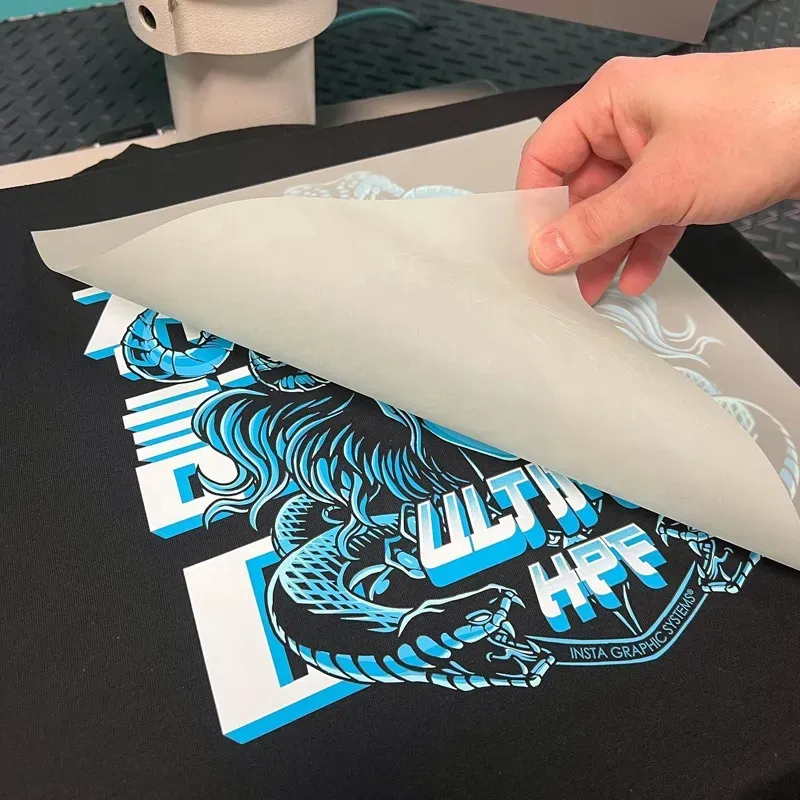
DTF transfer printing, or Direct-to-Film transfer printing, is revolutionizing the textile industry with its innovative approach to printing designs directly onto fabric. This technique has gained popularity due to its remarkable ability to produce high-quality prints in custom sizes, catering to the ever-evolving needs of designers and manufacturers alike. By optimizing size adjustments during the printing process, businesses can ensure that the final product showcases vibrant colors and intricate designs with exceptional clarity. With advancements in printing technologies and a growing emphasis on sustainability, DTF transfer printing is not only enhancing productivity but also reducing material waste. As we delve deeper into the world of DTF, we will explore the techniques that can significantly elevate your printing game, ensuring your creative visions come to life on fabric.
In the realm of modern textile production, one cannot overlook the impact of Direct-to-Film (DTF) technology, a method that stands at the forefront of innovative printing processes. Often referred to as film transfer printing or direct film application, this technique is characterized by its efficiency in transferring designs onto a variety of fabrics, making it an ideal choice for personalized apparel and custom merchandise. As print quality and size optimization become increasingly vital in the competitive landscape of textile printing, embracing these innovative textile printing techniques will undeniably pave the way for enhanced creativity and business growth. By focusing on custom-sized transfers that maintain intricate details and bold colors, companies can refine their offerings to meet consumer demands without compromising on quality. Join us as we uncover the myriad possibilities that DTF transfer printing has to offer, pushing the boundaries of textile design in exciting new directions.
Understanding the Importance of Size Optimization in DTF Transfer Printing
Size optimization in DTF transfer printing is a critical factor that can significantly impact the overall quality and effectiveness of textile prints. By adjusting design sizes to match specific garment dimensions, printers can avoid common pitfalls associated with poorly scaled prints, such as distortion or improper placement. This not only enhances the aesthetic quality but also ensures that the final product resonates with customer expectations. Given the growing demand for personalized and unique apparel, understanding how to optimize sizes can differentiate businesses in a highly competitive market.
Furthermore, effective size optimization contributes to material efficiency, reducing waste and maximizing the use of resources. By creating transfers that fit precisely on garments, manufacturers can cut down on excess film and ink, leading to lower production costs. This practice not only supports a lean operational model but also aligns with sustainable manufacturing goals, an increasingly important consideration in today’s eco-conscious market. Learning to leverage size optimization is, therefore, both a practical and a strategic move for DTF printers aiming to enhance their offerings.
Key Strategies for Implementing Custom Size Transfers
Custom size transfers are a standout feature of DTF transfer printing that allow for exceptional versatility in design and application. Implementing a system for custom sizing involves using design software equipped with advanced features that allow designers to input exact garment dimensions, creating tailored prints that are both proportionate and visually appealing. This customization enhances branding opportunities, as companies can align their prints more closely with their design philosophy and the unique preferences of their clientele. By employing these strategies, businesses can ensure that each transfer they produce is not only functional but also caters to specific market demands.
Moreover, custom size transfers can drastically speed up production times and improve accuracy in the printing process. By minimizing the guesswork involved in sizing, printers can produce high-quality transfers consistently without the need for extensive revisions or alterations. This efficiency translates into a more streamlined workflow and can enhance the company’s bottom line by allowing for higher output within shorter timeframes. Adapting to custom size transfers is therefore essential for businesses looking to scale their operations effectively while maintaining a high standard of printing quality.
Layering Techniques and Their Impact on Printing Quality
Layering techniques in DTF transfer printing are crucial for achieving vibrant, multi-colored designs that captivate consumers. Each color layer must be appropriately sized to ensure that they align perfectly during application. This requires precise calculations and an understanding of how different colors interact when layered. By mastering these techniques, printers can create visually stunning pieces that stand out in a crowded market. On the other hand, poor layering can lead to smudged designs or loss of detail, which could compromise the printing quality and tarnish the brand’s reputation.
The method of layering also opens up a realm of creative possibilities. Advanced design layering allows for the incorporation of textures and gradients that can further enhance the visual appeal of the final product. As innovations in DTF technology continue to emerge, layers can be applied with even greater precision and finesse, improving the overall durability and aesthetic of the print. Embracing effective layering techniques is, therefore, not only about maintaining quality but also about pushing creative boundaries in textile design.
Innovations in DTF Inks and Their Role in Quality Enhancement
The evolution of ink technology in DTF transfer printing plays a pivotal role in enhancing printing quality. Manufacturers are now experimenting with eco-friendly inks that offer greater vibrancy without sacrificing durability or texture. These innovations are significant, as they align with the industry trend toward sustainable practices. Furthermore, advancements in ink formulations are improving adhesion to various fabric types, which directly impacts the longevity of prints. Selecting high-quality inks can therefore elevate the visual appeal and lifespan of the final product.
In addition, keeping abreast of the latest ink innovations allows printers to adapt their techniques for improved results. As formulations become more sophisticated, they open doors to new possibilities in color blending and layering, providing opportunities for more intricate designs. Understanding the characteristics and benefits of different ink types can enhance the overall process of DTF printing, resulting in higher quality garments that satisfy both aesthetic and practical consumer needs.
The Significance of Testing and Sampling for Optimal Results
Testing and sampling are indispensable practices in optimizing DTF transfer printing, particularly when it comes to print quality and size adaptation. Conducting tests on various fabric types with different design sizes allows printers to assess how well specific designs will translate onto actual garments. This hands-on approach enables businesses to make informed decisions about sizing and technique before scaling production, thereby reducing costly mistakes and ensuring quality assurance. Moreover, experimenting with multiple combinations helps in understanding the unique characteristics each material presents, leading to more tailored and effective production strategies.
Furthermore, sampling provides valuable feedback from end-users. By sharing samples with customers, printers can gain insights into preferences regarding design size and overall satisfaction with the print quality. This feedback loop is essential for tuning products to better meet consumer expectations while fostering a culture of innovation within the business. Emphasizing the importance of testing and sampling ensures that DTF operations remain agile and responsive to market trends and demands.
Staying Ahead of Trends in DTF Printing
Staying ahead of trends is vital for any business involved in DTF printing, especially as the market continues to evolve rapidly. Innovations such as high-resolution printing capabilities and enhancements in printing machines can significantly boost productivity and quality. By adopting the latest technologies and practices, businesses can improve their offerings and maintain relevance in a competitive landscape. Keeping abreast of developments in DTF printing ensures that small and medium enterprises, as well as large manufacturers, can innovate their processes effectively.
Moreover, understanding current market trends, such as the increasing demand for sustainability and eco-friendly practices, allows DTF printers to align their strategies with consumer values. Incorporating sustainable inks and processes not only reduces environmental impact but can also enhance brand loyalty among eco-conscious customers. By staying informed and adaptable, businesses can effectively navigate the challenges of the ever-changing textile printing industry, ensuring long-term success and growth in the market.
Frequently Asked Questions
What is DTF transfer printing and how does it differ from other textile printing techniques?
DTF transfer printing, or Direct-to-Film transfer printing, involves printing vibrant designs on a special film that can be directly applied to various fabrics. Unlike traditional methods like screen printing, DTF offers greater versatility and customization, allowing for detailed designs even on different fabric types, which makes it an ideal choice for modern textile printing.
How can size optimization improve the quality of DTF transfer printing?
Size optimization is crucial in DTF transfer printing as it ensures that designs fit proportionally on garments, enhancing their aesthetic appeal. By adjusting the size of the design based on the garment dimensions, printers can avoid distortion and achieve a more visually striking print, culminating in a better overall printing quality.
What are custom size transfers in DTF printing and why are they important?
Custom size transfers in DTF printing allow designers to create transfers that perfectly match the dimensions of specific garments. This not only reduces material waste but also guarantees a professional finish by ensuring that designs fit well, thus contributing significantly to both the efficiency of production and the appeal of the final product.
What innovations in DTF printing should businesses be aware of?
Businesses should be aware of recent innovations in DTF printing such as high-resolution printing capabilities and advancements in eco-friendly inks. These innovations allow for more intricate designs while also promoting sustainable practices in textile printing, thus enhancing the overall quality and appeal of printed products.
How do layering techniques affect the output quality in DTF transfer printing?
Layering techniques in DTF transfer printing allow for the separation of colors in complex designs, which can significantly enhance output quality. Properly sized layers improve clarity and vibrancy of the final print, making it visually striking with added depth, which is particularly important for colorful and intricate designs.
What is the significance of testing and sampling in optimizing DTF transfer printing?
Testing and sampling in DTF transfer printing are vital for understanding how different sizes and designs perform on various fabrics. Conducting preliminary print runs allows businesses to refine their processes, assess the printing quality, and ensure that the final products meet customer expectations before committing to larger production runs.
| Key Techniques for DTF Transfer Printing | |
|---|---|
| Design Size Adjustment | Ensures proportions fit garments, avoiding distortion and maintaining visual impact. |
| Custom Size Transfers | Allows tailored designs that minimize waste and enhance product appearance. |
| Layering Techniques | Separately printed layers create vibrant, clear designs with depth. |
| Understanding Ink Application | Correct ink choice affects print feel and durability; eco-friendly options are now preferred. |
| Testing and Sampling | Preliminary tests help assess size compatibility with different fabrics. |
Summary
DTF transfer printing is revolutionizing the textile industry by allowing for precise and vibrant designs on a variety of fabrics. Understanding and implementing size optimization techniques can significantly enhance the quality and efficiency of your prints. Proper adjustments in design size, customized transfers, careful layering, and a keen awareness of ink application contribute to superior outcomes. Moreover, engaging in ongoing testing with different fabric types can provide critical insights, further refining your processes. As the DTF landscape evolves, staying abreast of the latest innovations ensures that your business not only keeps pace but thrives in a competitive market by delivering visually appealing and high-quality products.