


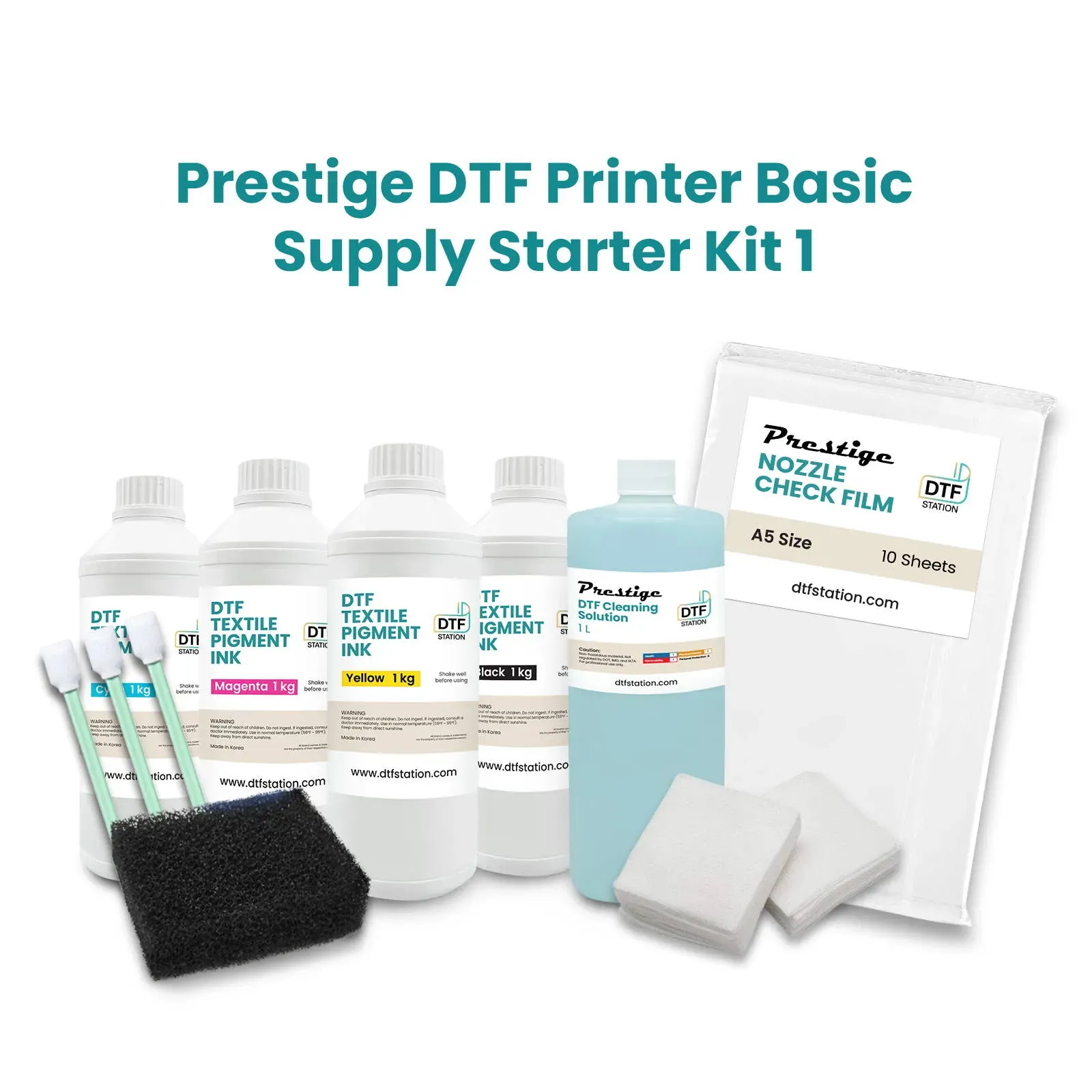
DTF supplies are revolutionizing the world of custom apparel, paving the way for both amateur and professional creators to craft vibrant, unique designs. As the demand for personalized garments surges, understanding the essentials of Direct-to-Film (DTF) printing becomes crucial. This innovative process uses specialized DTF films and inks to transfer high-quality images onto textiles, allowing for remarkable versatility and ease of use. With the right heat press for DTF applications, you can achieve flawless transfers that stand out in any wardrobe. In this guide, we will explore everything you need to know about DTF supplies, empowering you to unleash your creative potential and elevate your apparel designs.
When it comes to producing high-quality prints for clothing, the tools and materials involved in the Direct-to-Film printing process are crucial. Often referred to as DTF printing gear, these components—including films, inks, and heat presses—work in harmony to ensure your designs translate beautifully onto fabrics. This method has gained traction for its user-friendliness and ability to cater to a diverse range of materials, making it an attractive option for many fashion entrepreneurs. By utilizing the right equipment and knowledgeable techniques, you can tap into a world of custom clothing possibilities that appeals to both casual wearers and niche markets.
Exploring DTF Films: The Core of Your Printing Process
DTF films serve as the foundational element in the Direct-to-Film printing process, acting as the carrier for your designs. These films are specifically designed with a coating that allows for superior ink adhesion, ensuring that your vibrant artworks are preserved during the transfer. When choosing DTF films, it’s essential to consider the thickness and quality, as these factors directly influence the durability and clarity of your prints. Films that are too thin can lead to issues during the printing process, while higher quality films will resist wear and fading, making them essential for long-lasting designs.
Moreover, the choice of DTF films can vary depending on the fabric you intend to print on. Different textiles may react differently to the heat and adhesive used in the DTF process, necessitating the selection of films that complement specific materials. Additionally, new innovations in DTF films have introduced eco-friendly options, appealing to artists and businesses looking to minimize their environmental impact while maximizing print quality.
The Importance of DTF Inks in Achieving Vibrant Prints
DTF inks specialized for the Direct-to-Film printing technique are designed to deliver vibrant colors and exceptional detail in your prints. The formulation of these inks is critical, as they must bond effectively with both the DTF films and the fabric being printed on. Opting for high-quality inks ensures that your colors remain vivid, even after multiple washes, providing customers with durable and stunning custom apparel.
When selecting DTF inks, consider their compatibility with various materials. Different fabrics, such as cotton and polyester, can absorb inks differently, which can affect the final appearance of your designs. By experimenting with different ink types and understanding their properties, you can enhance your design’s overall effect and achieve a professional finish.
Selecting the Right Adhesives for Flawless Transfers
Adhesives are a crucial component in the DTF printing process, bridging the gap between your printed designs and the fabric. They play a vital role in ensuring that the design adheres correctly during the heat application, affecting longevity and durability. Choosing the appropriate adhesive that corresponds with both your DTF films and the fabric type is key to achieving a flawless transfer; mismatched adhesives can lead to subpar results, such as peeling or fading.
In today’s market, various types of adhesives are available, including those tailored for specific fabrics like cotton, polyester, or blends. Understanding these differences enables you to optimize the transfer process for your unique printing projects. Utilizing the right adhesive will not only enhance your final product’s appearance but also ensure that designs remain vibrant and intact over time, thereby increasing customer satisfaction.
Investing in a Quality Heat Press for DTF Success
The heat press is an indispensable tool in the DTF printing process, providing the necessary heat and pressure required to bond your designs to fabric. Investing in a high-quality heat press can significantly impact the quality of your final prints. Features such as adjustable temperature controls, pressure settings, and even time tracking are vital for achieving optimal results and avoiding common pitfalls like peeling or fading.
Different types of fabrics require varying heat settings and application techniques. For instance, polyester may require lower temperatures compared to cotton to prevent scorching. Understanding these nuances, and adjusting your heat press accordingly, can ensure the highest quality transfers and a smooth printing experience.
Maximizing Your DTF Experience Through Software Utilization
Efficient design software plays an essential role in the DTF printing process, allowing you to create high-quality graphics tailored for your apparel. Programs like Adobe Illustrator and specialized DTF design software help you to unlock your creative potential by offering tools for layering, color adjustments, and precise measurements. By familiarizing yourself with these software options, you can produce graphics that are not only visually striking but also perfectly suited for DTF printing.
Moreover, many design software platforms offer pre-defined templates and tools specifically designed for DTF transfers, streamlining your workflow and enabling you to focus on creativity rather than technical adjustments. Utilizing such software effectively means a higher quality output and can help differentiate your designs in the competitive custom apparel market.
Recent Trends in DTF Supplies: Embracing Sustainability and Community
As the DTF printing market continues to grow, trends toward sustainability are becoming increasingly prominent. Manufacturers are now offering eco-friendly DTF inks and films, appealing to artists and businesses mindful of their environmental impact. By opting for these sustainable supplies, you can not only create stunning prints but do so in a way that supports responsible sourcing and manufacturing practices.
In addition to the rise of eco-friendly options, the DTF printing community is flourishing, providing valuable support and resources for both novices and seasoned professionals. Engaging with online forums and social media groups allows you to exchange techniques, learn about the latest innovations, and share your own experiences. This growing sense of community not only enhances the DTF printing experience but also fosters creativity and collaboration among enthusiasts.
Frequently Asked Questions
What are DTF supplies and why are they important for DTF printing?
DTF supplies include essential items such as DTF films, inks, adhesives, and heat presses required for the direct-to-film printing process. Understanding and using high-quality DTF supplies is crucial for achieving vibrant, long-lasting prints on custom apparel.
How do I select the right DTF films for my printing projects?
Choosing the right DTF films involves considering factors like quality and compatibility with your inks and fabrics. Look for high-quality coated films that enhance color vibrancy and offer durability after repeated washes.
What type of DTF inks should I use for optimal print quality?
For optimal print quality, use water-based DTF inks that are specifically formulated to bond with your selected DTF films and fabrics. Ensure the ink you choose provides vibrant colors and is compatible with the materials you plan to print on.
Can I use any heat press for DTF printing, or do I need a specific one?
While you can use various heat presses for DTF printing, investing in a high-quality machine that provides uniform heat distribution and adjustable pressure settings is recommended. This ensures precise application, preventing issues like peeling or fading.
What role do adhesives play in DTF printing?
Adhesives are critical in the DTF printing process as they help bond the printed design from the film to the fabric during heat application. Selecting the right adhesive suited for the specific textile type enhances the transfer’s effectiveness.
Where can I find a complete set of DTF supplies for starting my printing business?
Complete sets of DTF supplies are widely available through online retailers that specialize in printing equipment. These kits often include DTF films, inks, adhesives, and other necessary tools, making it easy to get started in DTF printing.
| Key Supply | Description |
|---|---|
| DTF Films | Coated sheets designed for holding designs and transferring them onto textiles through heat application. |
| Inks | Water-based inks formulated to bond with films and fabrics, delivering vibrant colors. |
| Adhesives | Helps bond designs to fabric during heat application, varying based on textile type. |
| Heat Press | Essential for applying heat and pressure, settings must be calibrated according to specific requirements. |
| Software | Design software that facilitates creating graphics specifically for DTF transfers, ensuring professional quality. |
Summary
DTF supplies are integral to the innovative world of Direct-to-Film printing, an exciting method that empowers individuals to create vibrant, custom apparel designs. By understanding the essential components such as DTF films, inks, adhesives, heat presses, and design software, you equip yourself to produce professional-quality prints that stand out. Furthermore, with the rise of eco-friendly options and a supportive creative community, exploring DTF printing not only fosters your creative spirit but also aligns with sustainable practices. Unlock your creativity with the right DTF supplies and transform your printing experience today.