


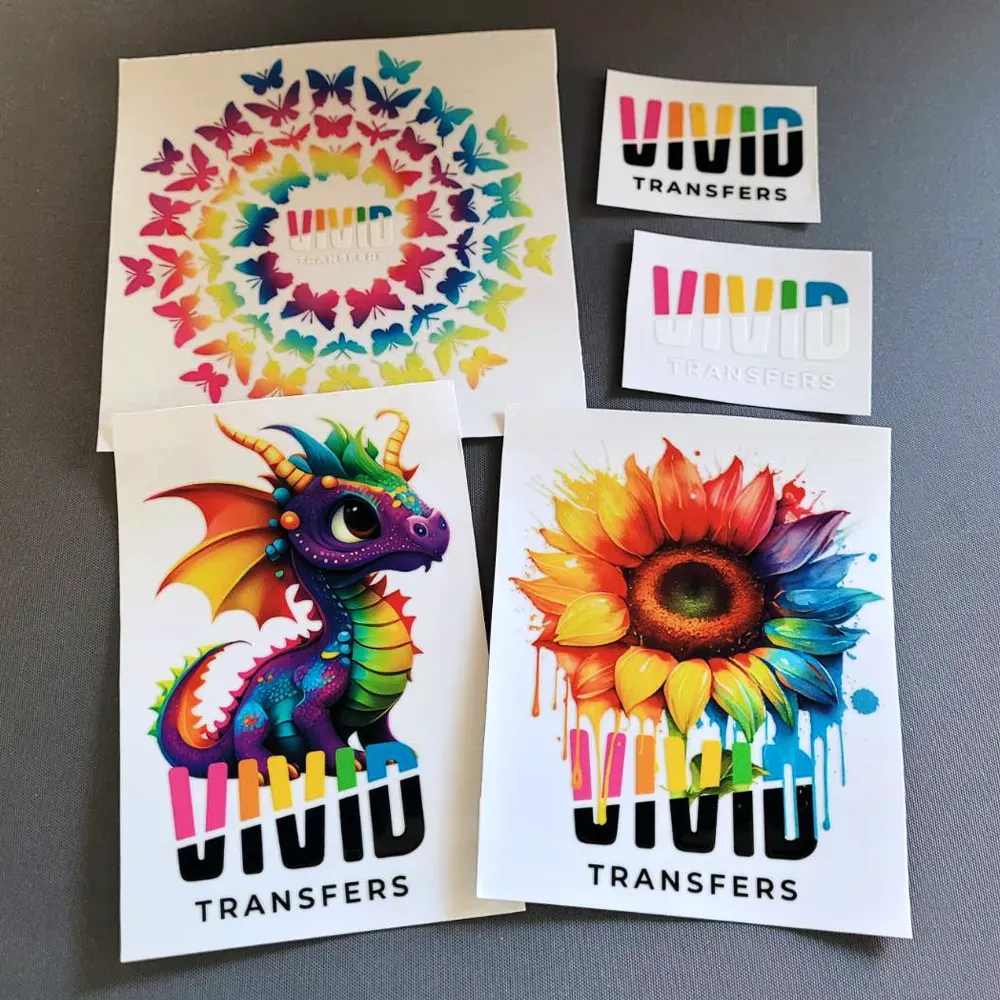
In the ever-evolving landscape of printing technologies, UV DTF transfers stand out as a groundbreaking solution driving sustainable printing forward. This innovative process utilizes ultraviolet light to cure inks, significantly reducing waste while ensuring vibrant color outputs and durability. Amid growing consumer expectations for eco-friendly products, UV DTF technology emerges as an answer, combining efficiency with environmental responsibility. The method benefits from lower emissions, energy efficiency, and the potential for biodegradable inks, making it a key player in the printing innovations that are reshaping the industry. With UV DTF transfers at the forefront, businesses can confidently embrace sustainable practices that resonate with their customers’ values.
In the realm of modern printing methods, UV DTF transfers, also known as ultraviolet Direct to Film printing techniques, are revolutionizing how products are manufactured. This sophisticated technology not only accelerates production through quick curing processes but also emphasizes the importance of eco-friendly practices. By harnessing UV light, these transfers minimize material use and waste, making them an attractive choice for brands striving to be environmentally conscious. Furthermore, with advances in biodegradable films and sustainable inks, UV DTF technology reinforces the printing industry’s commitment to reducing its carbon footprint. As consumers increasingly favor products that are both high-quality and environmentally responsible, the role of this innovative printing method continues to expand.
Understanding UV DTF Transfers: A Sustainable Choice
UV DTF (Direct to Film) transfers represent a groundbreaking technology in the printing industry, significantly enhancing sustainable printing practices. This method employs ultraviolet light to cure inks on specialized films, resulting in vibrant and durable prints. The rapid curing process not only elevates the quality of print output but also minimizes drying time and material waste. By using less ink while achieving high-quality results, UV DTF transfers are aligning with the industry’s shift towards sustainable printing solutions. Brands and consumers alike are becoming more aware of the need for eco-friendly practices, making UV DTF an advantageous choice in an increasingly environmentally-conscious market.
Furthermore, UV DTF transfers boast significant benefits when it comes to environmental sustainability. Unlike conventional printing methods, UV DTF utilizes low volatile organic compounds (VOCs) inks that are less harmful to both human health and the environment. This translates to a cleaner working atmosphere and means that companies adopting this technology can easily comply with stricter environmental regulations. As brands pivot towards eco-friendly printing options, UV DTF ranking among the front-runners illustrates a shift where innovation meets sustainability, making it a pivotal choice for forward-thinking businesses.
Frequently Asked Questions
What are the advantages of using UV DTF transfers in sustainable printing?
UV DTF transfers are at the forefront of sustainable printing due to their low ink usage, reduced waste, and low volatile organic compounds (VOCs) emissions. This printing technology enables efficient production with less environmental impact, aligning with eco-friendly practices.
How does UV DTF technology minimize the environmental impact of printing?
UV DTF technology minimizes environmental impact through its energy-efficient printing process, lower emissions, and the use of biodegradable inks. These features significantly reduce the carbon footprint and support a more sustainable approach in the printing industry.
Can UV DTF transfers be used on various materials sustainably?
Yes, UV DTF transfers can print on a wide range of materials while maintaining sustainability. This adaptability allows brands to create eco-friendly products on multiple substrates, enhancing their appeal to environmentally-conscious consumers.
What role do biodegradable inks play in UV DTF printing?
Biodegradable inks are crucial for UV DTF printing as they ensure that the products produced are not only vibrant and durable but also environmentally responsible. Using these inks helps reduce plastic waste and promotes sustainable printing alternatives.
In what industries is UV DTF transfer technology making the most impact?
UV DTF transfer technology is significantly impacting the fashion industry, promotional products, and packaging printing. Its ability to support sustainable practices while producing high-quality results makes it valuable across these sectors.
How does UV DTF transfer technology support eco-friendly product marketing?
UV DTF transfer technology enhances eco-friendly product marketing by allowing brands to highlight their commitment to sustainability, thanks to its low-waste production techniques and use of environmentally friendly materials, attracting eco-conscious consumers.
| Key Points | Details |
|---|---|
| UV DTF Technology | Uses ultraviolet light to cure inks on specialized films, allowing for quick production and a wider range of applications. |
| Sustainability Benefits | 1. Reduced waste and ink usage 2. Low VOC emissions 3. Energy efficiency 4. Customizable applications |
| Applications in Eco-Friendly Printing | Used in fashion, promotional products, and packaging to support sustainable practices and reduce waste. |
| Innovations | Development of biodegradable DTF films and eco-friendly inks, enhancing sustainability standards. |
Summary
UV DTF transfers play a crucial role in the shift towards sustainable printing practices, offering an eco-friendly solution that benefits both businesses and the environment. This innovative technology, which uses ultraviolet light to cure inks, significantly reduces waste and energy consumption, making it a more responsible choice compared to traditional printing methods. As industries continue to face environmental challenges, the adoption of UV DTF will not only satisfy consumer demands for sustainable products but also support brands in their quest to minimize ecological impacts. By embracing UV DTF transfers, companies can foster a greener future in the printing landscape.