


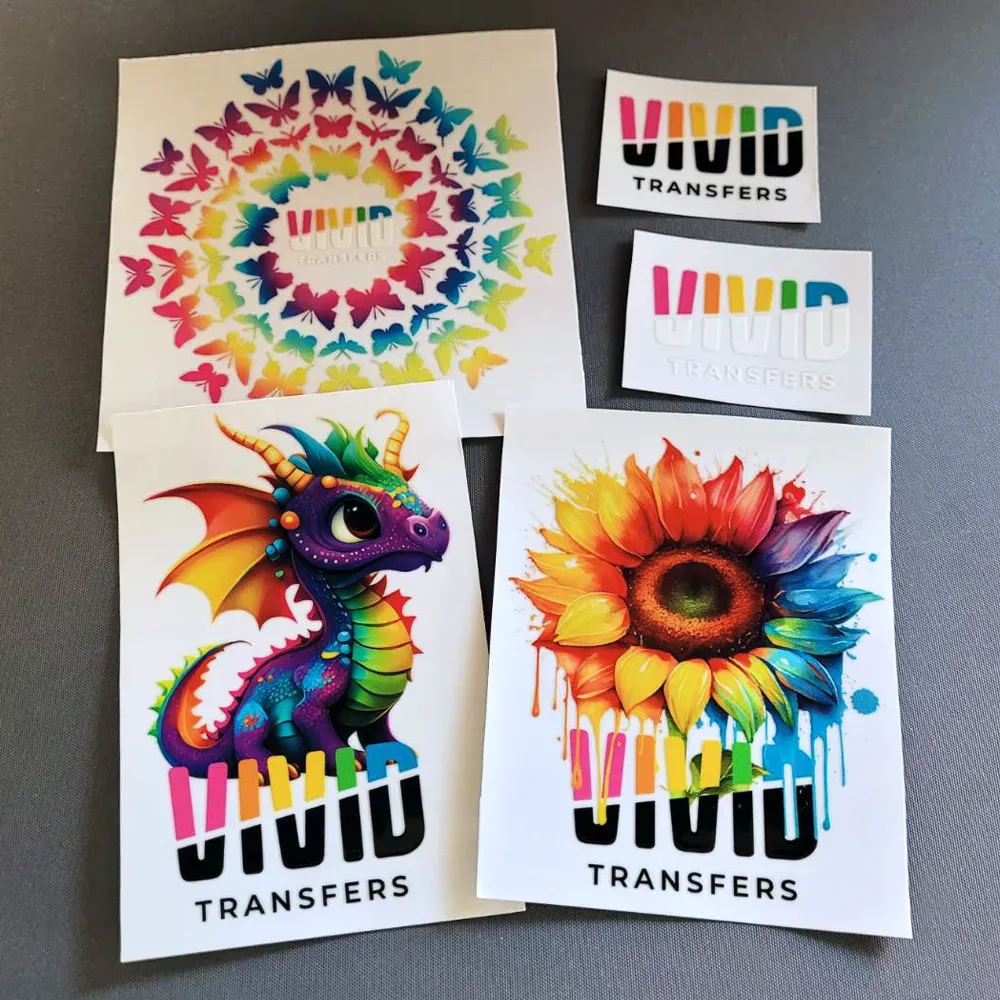
UV DTF transfers are revolutionizing the way we approach custom apparel, allowing for vibrant, intricate designs that capture attention and convey individuality. This innovative printing technology employs ultraviolet light to cure ink onto a specially designed film, which is then transferred onto various fabric types, ensuring high durability and resistance to fading. As sustainability in fashion becomes an increasing focus, UV DTF transfers also align with eco-friendly practices by using inks free from harmful solvents. Whether you’re a budding designer or a small business owner, embracing UV DTF technology opens up a world of possibilities in apparel design that distinguishes your brand in a crowded market. This blog will guide you through the advantages and latest trends surrounding UV DTF transfers, as well as their impact on the future of fabric printing.
Introducing the world of UV Direct-to-Film (DTF) transfers, a cutting-edge technique that is reshaping the landscape of custom clothing production. This modern printing method employs ultraviolet technology to achieve stunning visuals on various materials, catering to the diverse needs of apparel designers. As the demand for personalized and unique garments grows, adopting this innovative approach allows creators to enhance the vibrancy and durability of their products. Furthermore, this sustainable fabric printing option not only responds to consumer preferences but also supports the larger movement towards sustainability in the fashion industry. Join us as we delve into the transformative potential of DTF technology and its role in contemporary apparel design.
Exploring the Benefits of UV DTF Transfers
UV DTF transfers bring a multitude of advantages that make them an attractive option for designers and apparel manufacturers. One of the key benefits is their ability to produce exceptionally vibrant colors, thanks to the advanced curing process that utilizes ultraviolet light. This not only enhances color accuracy but also ensures that the prints retain their vividness over time, surpassing many traditional printing methods. Durability is another standout feature; UV DTF prints are known to resist fading and cracking, allowing for high-quality designs that withstand the test of time and multiple washes.
In addition to their aesthetic appeal, UV DTF transfers are incredibly versatile, applicable to a range of fabrics and materials beyond typical textiles. This adaptability enables designers to experiment with unique combinations and materials, thus broadening the horizons of apparel design. Whether it’s on cotton, polyester, leather, or canvas, the potential for creative exploration with UV DTF technology is immense, allowing for truly custom apparel that aligns with consumer preferences. As designers leverage this technology, they can create distinct pieces that cater to niche markets looking for personalized styles.
UV DTF Transfers: A Sustainable Choice
As the fashion industry increasingly focuses on environmental responsibility, UV DTF transfers emerge as a sustainable printing solution. Unlike traditional methods that often employ harmful solvents and chemicals, UV DTF technology utilizes eco-friendly inks that minimize environmental impact. This is particularly important for designers who wish to align their creations with sustainable practices, drawing the attention of environmentally conscious consumers eager to support responsible brands.
Sustainability in fashion is more than just a trend; it represents a shift in consumer values, with a greater emphasis on ethically produced items. Brands that choose to integrate UV DTF printing into their production processes can enhance their market appeal, as these practices resonate with a growing demographic concerned about their purchase’s ecological footprint. By adopting UV DTF technology, businesses not only contribute to environmental conservation but also foster brand loyalty among consumers who prioritize sustainability in their shopping choices.
Market Trends Shaping Custom Apparel
The surge in demand for custom apparel is significantly reshaping the fashion landscape, with UV DTF transfers leading the charge in this trend. Consumers, especially younger demographics, are increasingly gravitating towards unique, personalized items that reflect their individual styles and identities. This growing interest in self-expression through fashion has created ample opportunities for small businesses and entrepreneurs to enter the custom apparel market, utilizing UV DTF technology to deliver high-quality, customizable designs.
Moreover, as these market dynamics evolve, it’s clear that the ability to provide distinctive apparel will play a crucial role in a brand’s success. The flexibility and precision of UV DTF printing allow brands to cater specifically to consumer preferences, giving businesses the edge they need to stand out in a saturated marketplace. By capitalizing on this trend, companies that integrate UV DTF into their offerings can meet the rising demand for tailored experiences, enhancing customer engagement and satisfaction.
Innovative Equipment for UV DTF Printing
As the demand for UV DTF printing grows, manufacturers have begun to unveil innovative equipment designed to streamline the printing process. Brands like Epson and Mimaki are at the forefront, introducing state-of-the-art printers equipped with advanced features such as automatic color management and user-friendly interfaces. These technological advancements not only simplify the printing process but also empower businesses of all sizes to adopt UV DTF technology without encountering significant barriers.
This leap in equipment innovation is fostering a creative environment where designers are encouraged to explore and experiment with their ideas. Fast turnaround times from concept to completed product mean that businesses can respond more quickly to market trends, offering new and exciting designs that resonate with consumers. As more entrepreneurs embrace UV DTF technology, the entire apparel design landscape is transformed, leading to a wave of originality and competition.
The Artistic Potential of UV DTF Transfers
UV DTF transfers unlock remarkable artistic potential for apparel designers, allowing them to push the boundaries of their creativity. The technology supports intricate details and vivid color palettes, which are critical when creating visually striking apparel. Artists can take advantage of this printing method to incorporate fine patterns, gradients, and complex imagery that would be difficult to achieve with other printing techniques, thereby elevating their artistic expression in clothing design.
Furthermore, this printing technology empowers designers to explore unconventional materials beyond traditional fabrics. By translating their creative visions onto surfaces such as leather, wood, or canvas, they can create a wide range of products, from custom jackets to unique accessories. This level of creative versatility is invaluable for artists who thrive on innovation, laying the groundwork for future trends in fashion and textile design.
Future Outlook for UV DTF Transfers in Fashion
The future of UV DTF transfers in the fashion industry appears promising, with increasing adoption by brands looking to differentiate themselves in the marketplace. As custom apparel continues to surge in popularity, this printing technology is set to play a vital role in shaping the landscape of garment production. The emphasis on creating unique, vibrant, and sustainable products aligns seamlessly with contemporary consumer demands, positioning UV DTF transfers as a key player in the evolution of fashion.
Additionally, as advancements in UV DTF printing technology persist, we can expect even greater capabilities and efficiencies to emerge. Innovations in ink formulations and printer designs are likely to broaden the creative possibilities for designers while enhancing the overall quality and durability of prints. As brands embrace this technology, the ability to offer personalized and impactful fashion will not only elevate consumer experiences but also redefine the future of apparel production in an increasingly competitive market.
Frequently Asked Questions
What are the benefits of using UV DTF transfers in custom apparel design?
UV DTF transfers offer several benefits for custom apparel design, including high durability, vibrant colors, and intricate detail reproduction. Unlike traditional methods, UV DTF printing results in designs that resist fading, cracking, and peeling, ensuring long-lasting quality. This technology allows designers to create unique and personalized items that stand out due to their rich color gamut and fine details, making it an essential tool for elevating apparel design.
How does UV DTF printing enhance sustainability in fashion?
UV DTF printing enhances sustainability in fashion by utilizing eco-friendly inks that are often free from harmful solvents. This aligns with the growing demand for environmentally conscious practices within the apparel industry. Brands adopting UV DTF technology can appeal to environmentally aware consumers, fostering brand loyalty while contributing to greener manufacturing processes, which is becoming increasingly important in the market.
What types of fabrics can be used with UV DTF transfers?
UV DTF transfers are versatile and can be applied to a wide range of fabrics, including cotton, polyester, leather, and canvas. This adaptability allows designers and businesses to explore new markets and create unique custom apparel on different materials, significantly enhancing their product offerings and catering to diverse consumer preferences.
What innovations in equipment are associated with UV DTF transfers?
Recent innovations in UV DTF printing equipment include advanced printers from companies like Epson and Mimaki. These printers feature automatic color management and user-friendly software, simplifying the printing process. Such advancements reduce production time and make UV DTF technology more accessible to small businesses, driving creativity in custom apparel design.
How do UV DTF transfers compare to traditional printing methods?
UV DTF transfers stand out from traditional printing methods such as screen printing and heat transfers due to their superior durability and vibrant color output. Unlike conventional techniques, UV DTF prints are less prone to fading, cracking, or peeling, providing a longer lifespan for apparel designs. This technological edge allows for more detailed and colorful artwork, meeting the needs of contemporary custom apparel consumers.
Why is there a growing demand for UV DTF transfers in custom apparel markets?
The demand for UV DTF transfers in custom apparel markets is rising due to the increasing consumer preference for unique, personalized designs. Particularly among younger demographics, the trend towards individualized fashion encourages businesses to adopt UV DTF technology, which supports high-quality, customizable outputs. This capability allows entrepreneurs to meet the growing expectations for distinct and creative styles, propelling UV DTF printing to the forefront of apparel design solutions.
| Key Points | |
|---|---|
| Definition of UV DTF Transfers | A modern printing method using UV light to cure ink on film, allowing transfers to various fabric types. |
| Advantages | Durability, vibrant colors, and the ability to create intricate designs without fading. |
| Market Trends | Rising demand for customized apparel among younger consumers reflects a desire for unique, personalized styles. |
| Innovative Equipment | New advanced printers from companies like Epson and Mimaki facilitate easier use of UV DTF technology. |
| Environmental Considerations | UV DTF inks are often solvent-free, appealing to environmentally conscious consumers and brands. |
Summary
UV DTF transfers are transforming the landscape of custom apparel with their innovative approach to printing vibrant and intricate designs. This advanced technology not only provides high durability and a wide color gamut but also aligns with contemporary sustainability initiatives by using eco-friendly inks. As the demand for personalized clothing increases, UV DTF transfers are becoming the go-to solution for designers and businesses striving to offer unique apparel. By embracing this method, creators can unlock new possibilities in fashion that cater to both aesthetic desires and ethical principles, ensuring that their products resonate with today’s conscious consumers.